Namibia: Getting Around

As of February 15, 2018, I have served 1/3 of my 24 month commitment to the Peace Corps here in Namibia.

There’s a saying that seems appropriate about time flying, having fun, and so on. For the most part, I have to say that I’m having a blast! I’m really feeling integrated into my community (Peace Corps speak for people recognizing you and saying hi), I feel like I’m contributing to the greater good of Namibia (more Peace Corps speak for teaching classes and providing counseling to those seeking business advice), and I feel I’m doing well in cross cultural exchange (still more Peace Corps speak where I talk about life in the States and get schooled about life in Namibia). As with any venture, there are ups and downs, but this one has, thus far, been mostly up.

My job with The Rössing Foundation requires that I travel through many of the northern and western regions of Namibia ( a definite ‘up’). As a member of the Peace Corps Namibia Media Committee, I get to range even further into the country. While I’ve only been in country 10-ish months, I’ve been able to travel to places many PCVs don’t get to go as part of their normal duties. And as another saying goes, getting there is half the fun. Which brings me to what I want to talk about in this post: travel in Namibia.
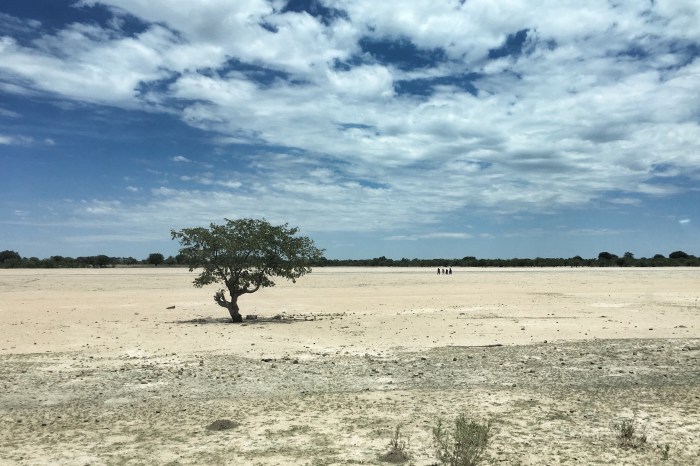

Women crossing a flood plane near Onesi

There are several ways to get around in Namibia, which you choose depends on where you want to go, what you need to carry with you when you go, what you can afford or, if you are lucky enough, who you know. There’s the normal compliment of motor vehicles available to the adventurous traveller, which we’ll get into in a bit, but there are also (slow) trains, planes, and bus services. These tend to be limited to major towns and cities in each region and not all services are available to even these. I have not taken any of these, those I may catch the Intercape Luxury Bus Service if I need to go south. Others have used the Intercape and liked it.

Most people who own vehicles own pickups, except here they are called bakkies. They are usually white, usually 4WD, usually capable of seating 5 in the cab, and the bed is likely covered. I’m lucky, I have a friend who owns a bakkie and doesn’t seem to mind giving me rides if he’s headed where I’m headed. As you may imagine, bakkies are the workhorse vehicles of choice here. Regardless of whether it is open or closed, bakkie beds are loaded up to overflowing with anything and everything. It is not uncommon to see 10 or more people in a bakkie bed, often riding along with their luggage.
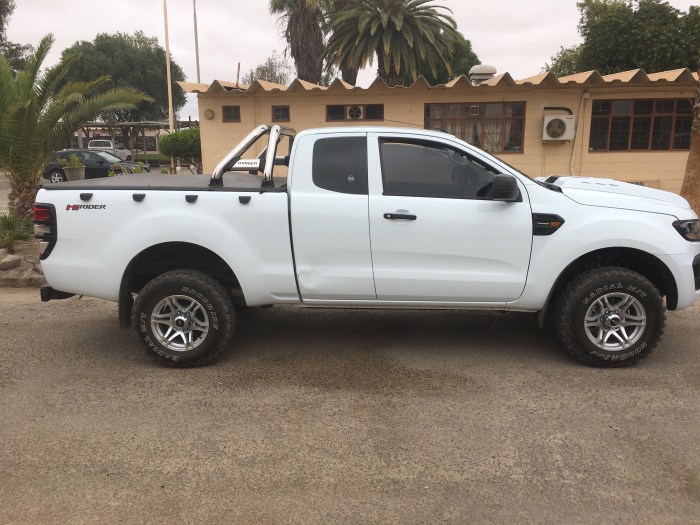
A typical ‘Bakkie’

The only vehicles more popular than the bakkie are the small 5-seat sedans favored by cab drivers. Realistically these sedans comfortably seat 4 adults, but cabbies will cram 5 in regardless of the size of the adults in question. (More on this later.) Small children may ride free if they can sit on your lap. I’ve seen at least 3 small kids ride this way, which brings the passenger tally up to 8. Watching people climb out of these wee vehicles always reminds me of circus clown cars.
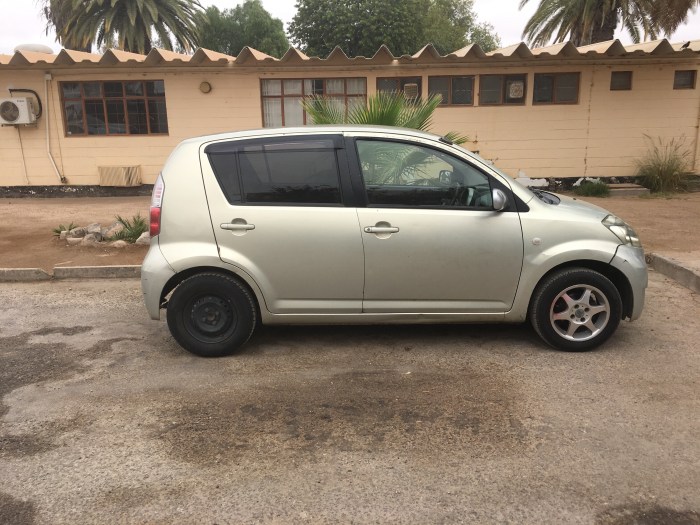
A typical ‘cab’

Next we have the kombies, which are small buses capable of seating 7 to 15 depending on the size. Again, the advertised seat count is theoretical. These are typically used for intercity transports and typically haul trailers for luggage, packages, even furniture and small caged animals. Like cabs, kombies can be in various states of repair (or disrepair). If you really want to experience travel in Namibia, go by kombi. Opt for the larger ones that at least look like they’ve maintained. You’ll find that Namibians are generally friendly, generous, and have a great sense of humor. You can practice your Afrikaans, Oshikwanyama, and other local languages.
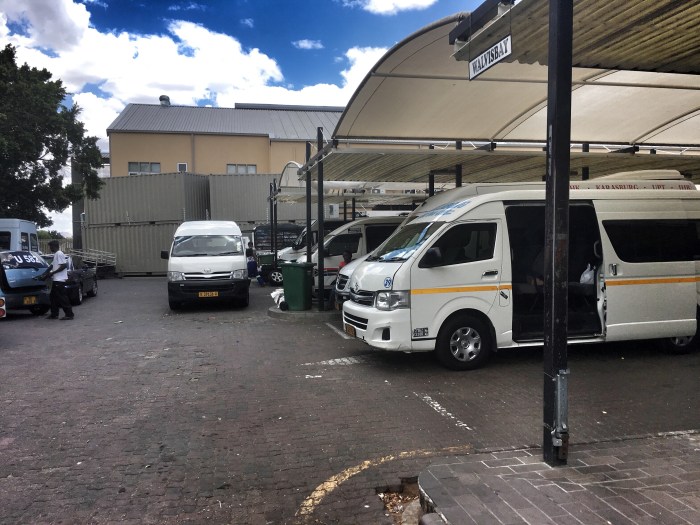

Kombies at the Rhino Hikepoint in Windhoek

I’ve come to believe that kombies drivers are frustrated Indy 500 driver. They are only supposed to go 100kph, but they tend to move somewhat faster, passing double-length trailer trucks like they were standing still, all while pulling a loaded trailer and carrying more people than they should.
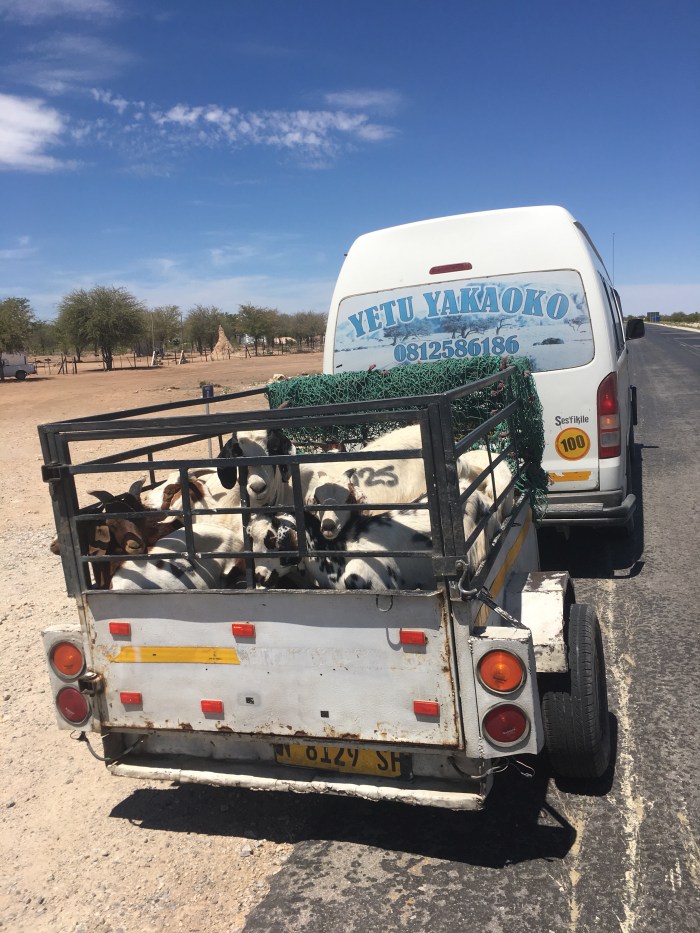
Kombie trailer loaded with goats

The well heeled urban Namibian is likely to drive a Euro-luxury sedan from Mercedes, BMW or Audi. These tend to be black or dark gray with heavily tinted windows. Like in the States, these are status symbols.

Well heeled Namibians who live out in the sticks drive expensive 4WD RangeRovers, LandRovers, LandCruisers and the like. Here, 4WD is actually needed, the rural terrain is unforgiving and road service practically nonexistent. Even some parking lots require 4WD because of deep sand or sharp, shifting rocks. And everyone carries full size spares that have been pressure checked. I’ve taken 3 trips to the north and have gotten flat tires twice. And I don’t mean a nail-in-the-trend type flats, these were rip-a-hole through-2-inches-of-rubber type flats. And both happened many kilometers from the nearest town. Unpaved roads harbor sharp rocks that can challenge even 4×4 tires. Spare tires are essential.

As a Peace Corps Volunteer, I’m not allowed to drive (this even though my duties can carry me far and wide), so I am forced to get around like the average Namibian; I hike.

Hiking is done in one of three ways: you can call a transport company and arrange to be picked up, you travel in air conditioned comfort, and they drop you off at your destination. (This is hiking only in the vaguest sense.) You can go to a hike point and climb on one of the kombies or get a private car heading in your direction, or you can head out to the highway, put out your thumb and hope someone picks you up. That last one is not as unpredictable as it sounds. Many are quite successful getting around using their thumbs. Still, as it can be anywhere, hiking can be dangerous. Namibia, is a relatively safe country to be in, but bad people can pop up, or in this case, drive up anywhere, and there are long stretches of road where there’s not even a mobile phone signal. Extreme caution is advised.
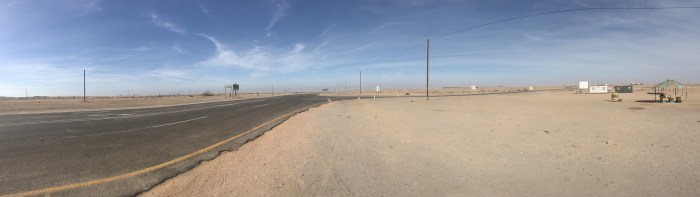
Hiking the B2 Highway can be a lonely and dangerous endeavor

Hike point travel is far more reliable and these places are typically brimming with cabs, kombies and private vehicles vying for your dollar. In fact, the drivers can get so worked up that they jostle and shove each other, yelling at you to pick him over the ten others yelling at you. For women, especially young women, it can be a nightmare. The drivers will often grab her belongings and shove them in the trunk of his car, forcing her to either go with him of demand her stuff back. I’ve seen women crying while trying to get a ride.

Hike points are not for the meek.
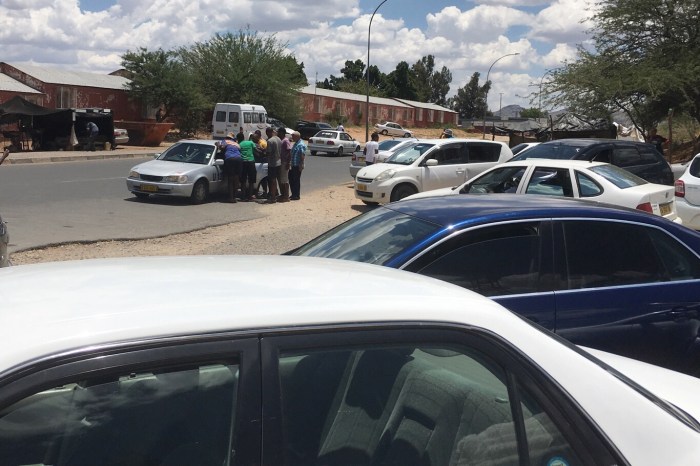
Drivers mobbing a cab at a hike point in Windhoek

Normally I take the far more comfortable and predictable transport company, but today I wanted to ‘rough it’, and walked to the road leading to Windhoek and tried my luck.

Hiking from the side of the road is a bit less intimidating than hike points. You can stick your thumb out to passing RangeRovers, trucks and VW GTIs, but they seldom stop ( I suppose there are many factors that play into the decision to stop for a hiker. I would likely only stop if the hiker was alone and neatly dressed.) The vehicles that do stop are old sedans and small 7-passenger quasi-station wagons (think micro-vans like the Mazda MPV and you’ll get the idea). These are enterprising Namibians who fill in the transportation gap by picking up hikers and charging a bit less than what you might pay at hike points.

The 7-passenger thingy is what I caught into Windhoek this morning and I can tell you that the only 7 passengers that can sit comfortably in that vehicle are a troop of emaciated, vertically challenged Oompa Loompas.

As luck would have it, my fellow passengers were of normal dimensions, except for the woman next to me, who grossly exceeded her already small seating allotment to the point were an imprint of the door trim I was squeezed against will likely stay with me for the remainder of my service here.
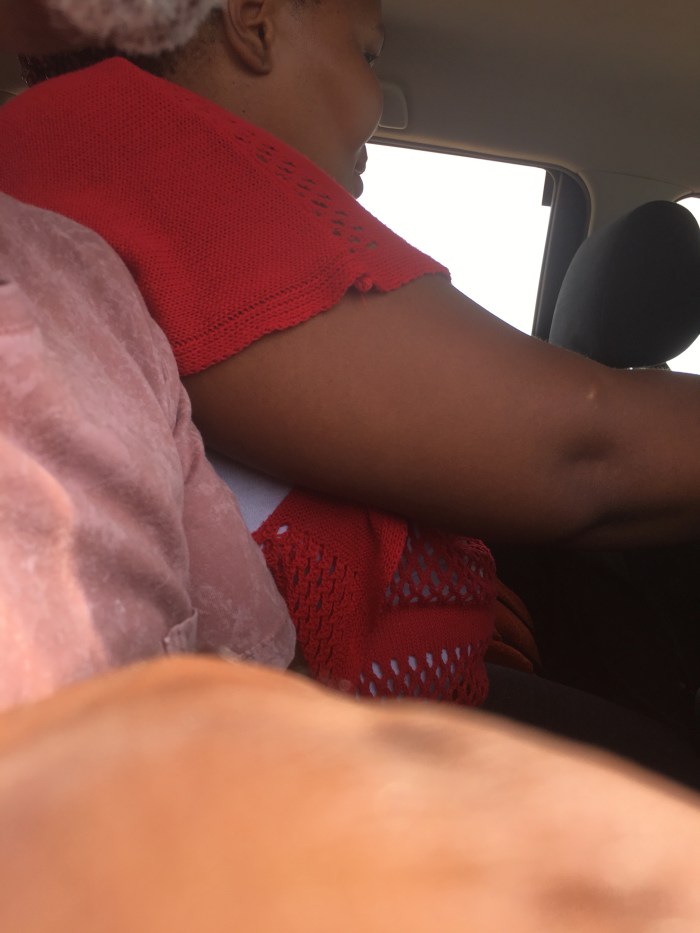
My overly ample, but pleasant seat mate

I suppose we were luckier than most, our vehicle had air conditioning running. Normally very loud music is substituted for AC. I guess the thinking is that if you make the music loud enough passengers will be more concerned about bleeding eardrums than sweating brows.

It seems to work.

Hike point hiking is really how it’s done here, though the Peace Corps frowns on it. I get their concern, too much can go wrong. Vehicles tend to be poorly maintained, drivers can be overly aggressive, and the environment can be dangerous to the less worldly. On the other hand, you can meet really interesting people and feel closer to the environment. There are inconveniences (like the rather large one this morning who pressed so close to me that when I felt my stomach rumble it turned out to be hers), but I honestly believe its worth it. The woman next to me was very kind and caring, offering snacks to those around her (Namibians share, it seems to be part of their DNA).

I also enjoy the scenery. Regardless of which part of the country I’m traveling through, I’ve found the views mesmerizing and often breathtaking. For a guy whose driven through much of the U.S. and rarely seen anything more interesting than a herd of white tail deer grazing along the roadside, sitting in the passenger in on a Namibian road is a treat. I’ve seen baboons, warthogs, and ostriches. Cows, goats, sheep and donkeys will wander onto the road as well. And if you’re very lucky, you’ll be forced to stop while a herd of zebras cross in front of you. While stopped you might see a small herd of giraffes grazing at a safer distance from the road.
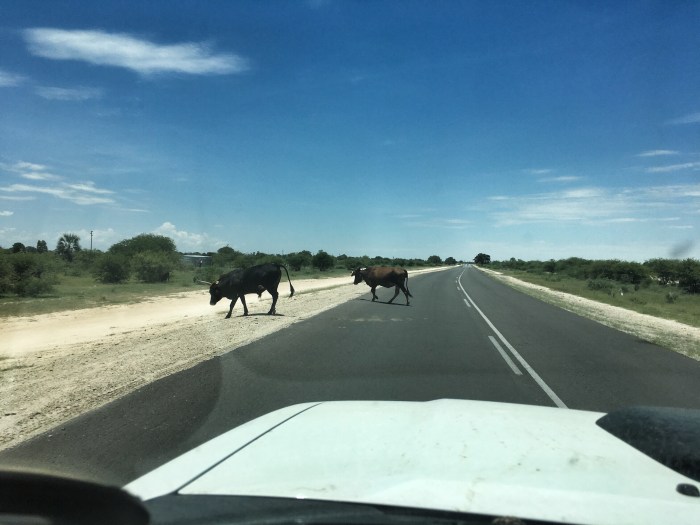
You never know what you’ll try not to run into, cows, donkeys, …
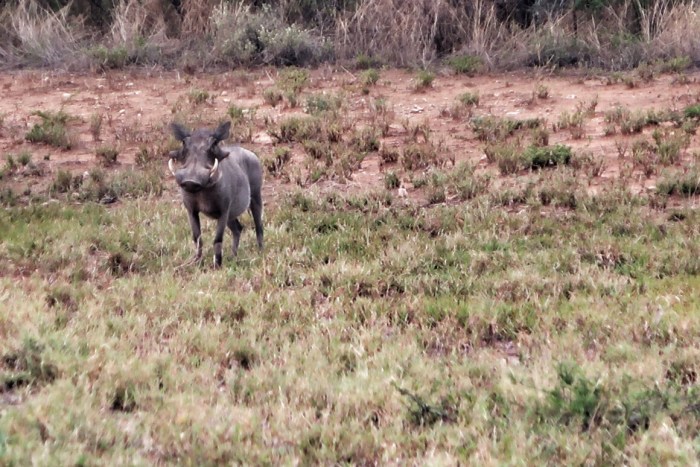

…warthogs or baboons,…
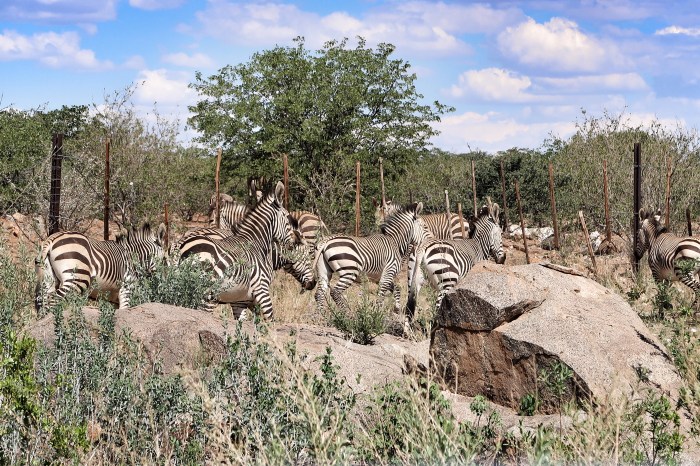

…or a herd of zebras crossing the road.

It can be a lot of fun.

I will continue to take the more comfortable passage if available, but I now have no qualms of taking to thumbing it. It’s all part of the adventure.

Stay tuned.

Vern

Namibia: Dog’s Life

Namibia is at once incredibly beautiful and incredibly unforgiving. To live here, especially in rural areas (which is a vast majority of the country) creatures, including us humans, must adapt. The environment offers challenges found in few other places on earth.

For instance, in the Namib Desert, one of the oldest and harshest deserts on the planet, you can still find animal activity. I’ve seen ostriches, springbok and scrub hares. I’ve seen the tracks of these creatures and those of other animals I didn’t recognize. But there are tracks that even a purblind urban kid, like myself, can immediately recognize, those of dogs.

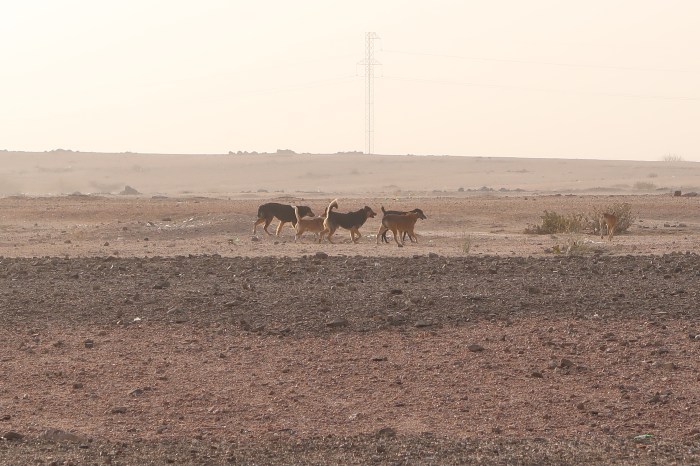
A pack of strays in the desert

While the African Wild Dog’s population is under serious threat and is considered endangered, the average mongrel can claim no such protection. Dogs are everywhere, and if I had to guess I’d say that dogs are the second most populous mammal in Namibia, right behind humans. (By way of reference, there are approximately 2.3 million people in Namibia, which has an area a little larger than Texas, and Texas has 10x the population.)

You find dogs wherever you find people, and their lot in life is intricately tied to the humans they live around. In the town of Okahandja, for instance, where homes are surrounded by walls and barbed wire, dogs, at the very least, serve as living doorbells (they bark only when someone approaches the gate of the compound), but more often they are kept as burglary deterrents. You’ll find far fewer strays in Okahandja than you’d find in Arandis, where walled homes that corral dogs are the exception.

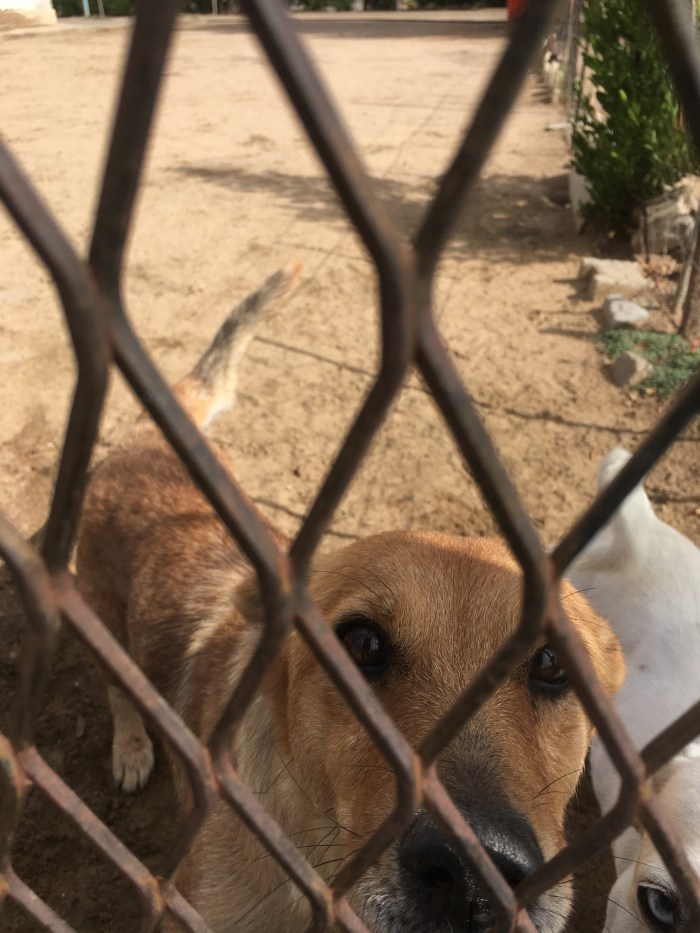
‘Watchdogs’ behind a fence in Okahanja

As with the humans they live next to or live with, dogs adapt. In Okahandja they seem quite content to stay behind their gates and bark in exchange for a daily meal. In Arandis, they’ve accepted their station as second class citizens and eek out lives subsisting on whatever food is discarded, which is often very little. In homesteads in the north dogs are part of the typical farm menagerie. There are strays, but it seems that most dogs have human homes.

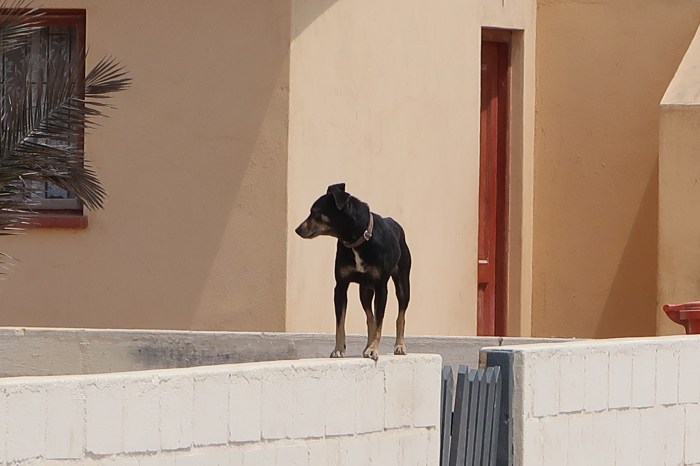
Small dogs seem to like the height advantage fences provide

In the more expensive areas of Swakopmund and Windhoek one can identify several recognized dog breeds, but in the outlying ghettos, dog lineage is as mixed and varied as the ingredients in a pot of beef stew. I’ve seen Rottweilers, Pitbulls, Shitzus, and more than a few Schnauzers. One of the more impressive breeds I’ve seen are the Rhodesian Ridgebacks. They are a medium to large sized animal with brown to rust colored fur and a distinct tufted ridge of fur running the length of its back.

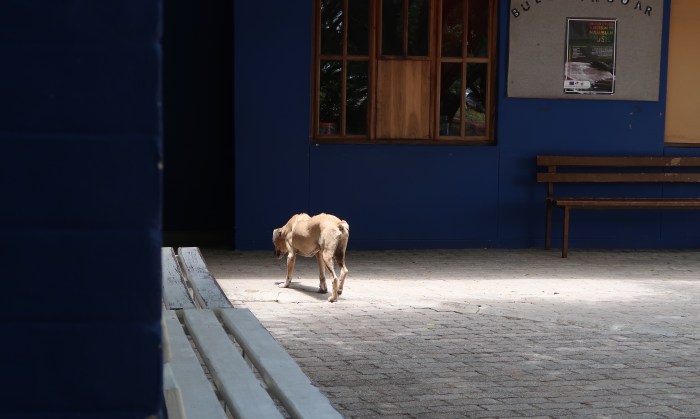
The Ridgeback isn’t the only dog in Namibia with that distinctive fur feature, however. I seen short legged, long bodied pooches with a crop of unruly hair starting at the shoulders and running along the spine. I saw one such canine while in the East Kavango Region of Namibia. It was in a primary school. The dog wandered in among students and adults as if the school were its home. It stood glancing up at the adults, tail wagging lazily, waiting for notice, but getting none. At last it turned and ambled away looking sad and dejected.

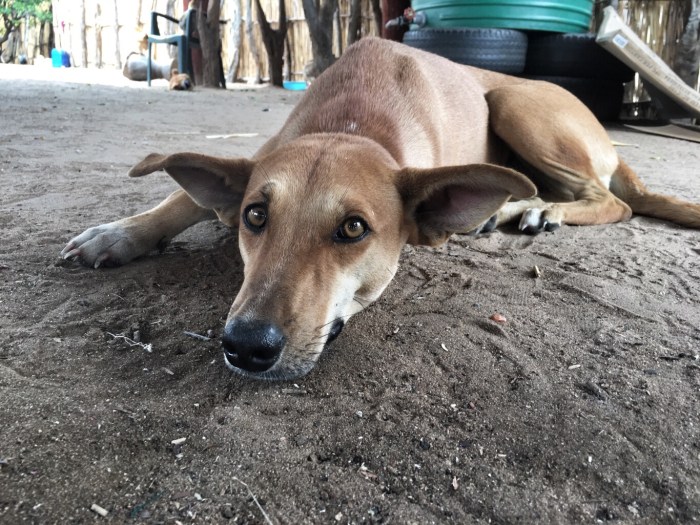
Life can be tough for dogs in Namibia

I asked friends about their observations of the relationships between dog and man in the areas to the south. One reports, “Keetmanshoop is more similar to Okahandja. I thought the dogs I saw were strays at first, but after closer observation realized they all have owners and a place to come back to, they just aren’t kept inside the gate all day.”

Further to the south, another tells me, “The dog population in Oranjemund is pretty large. Most, if not all, of the dogs are domestic pets. Rarely do you see any strays or wild dogs. There is a pound or kennel where you can house dogs while on vacation or pick up new ones. Oddly enough, there are a ton of mini dachshunds! Nearly every house has a beware dog sign in Afrikaans and Oshiwambo!”

And to the west I’m told, “Luderitz is completely divided between the town and location. In town the dogs are fenced in and bark at anything that moves.

In the location there are stray dogs and dogs that sit outside of house but they rarely make noise.”

I feel like this sometimes…

Adapt, survive, and if you’re lucky, prosper. It’s a dog’s life.

Stay tuned.

Vern

Happy New Year!!

This year is quickly drawing to a close and it’s been a whirlwind, roller coaster, and tsunami all rolled into one big adventure. I talked a bit about what I’ve done, haven’t done this year, and what I intend to do next year in an earlier post, so I won’t recap here.

This post is simply to wish my family and friends, both old and new, a Happy New Year, and to offer a few suggestions for the coming year.

While my path involves what may appear to be exotic places and adventurous doings I’ll admit here, that, for the most part, it’s a 9 to 5 punctuated by the occasional “OH WOW!” moments. Many of you have just as interesting, and dare I suggest more interesting, though less far flung engagements and you should let others know what you are up to. So, I invite you to start a blog like this one.

Yeah, I know that there’s Facebook and Instagram, but I believe those places are less personal than a bonafide blog. Here you can offer up your insights, opinions, photos and other discoveries you encounter in your day to day journey without all the glitz. It’s just you and your readers. And really, that’s the interesting part. Letting people know that you and the people you meet are as human as they are, and vise versa.

So, make it a New Year’s resolution to create and keep a blog and invite your friends and family to subscribe to it. I think you’ll be glad you did.

When I say the term, “2018”, for an instant my mind defines that to mean a time in the distant future where space travel, flying cars and robot overlords are as common chewing gum on the sidewalks of New York. Yet, in a week, 2018 will be here and none of those things are common (they’ve been promised for years, but we may actually see all three within the next 10 years, if we survive the next 3). As much as the shenanigans of 2017 has dimmed the faith in humanity for many, I continue to find reasons to keep the faith because I firmly believe that we, all of us, are greater than the sum of each of us. (Did that come out right?)

In my family and friends, and a vast majority of the people I meet, I see a future of diversity over divisiveness, of acceptance over ignorance, of good will over ill will. I think it’s far too optimistic to believe, as the the Beatles did, that love is all you need. It’s far more realistic at this time to believe that tolerance is really all we need. You don’t have to love or even like everyone or their ideas. Just be and let be, and we may yet survive this.

So, with a hopeful and faithful eye on the coming months, I wish you all a joyful, prosperous, and adventurous New Year.

Stay Tuned,

Vern

Namibia: Merry Christmas!!

It’s been a bit more than 8 months since I sold my stuff, bided my family and friends goodbye, and boarded a plane with 15 other people who would become my ‘Namily’ here in Namibia.

Truth is, it doesn’t feel like 8 months, more like only 4. I don’t feel as if I’ve done enough, though my supervisor insists that I’ve made a difference. I have projects that I’m working on and am determined to make real headway in the coming months.

One such project I may have mentioned in an earlier post, Dreamland Gardens. The owners, Joseph and Elizabeth Makina, are hard working folks who are trying to make a business of growing vegetables here in the desert. Sometimes it seems that the cards are stacked against them. The biggest issue, as one might assume, is water. Oddly, there is water available, it’s just unreliable. When it’s not available everything dies and we have to start again. So, I’m trying to come up with ways to increase the reliability of the supply and more efficiently use what we have when we have it.

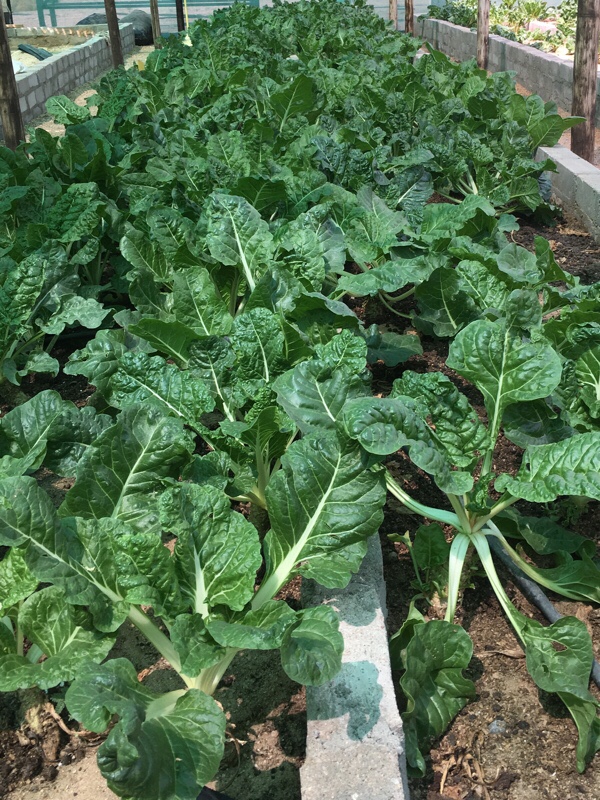
Spinach growing in Dreamland Gardens when we do have water

Another project is the Ûiba Ôas Miners. They are 50+ kilometers away and I have no reliable means to visit them, yet I need to help them somehow. The miners produce and sell raw semiprecious stones to tourists who stop at their kiosks on the roadside. There isn’t much I can do to improve that situation, but I think I have a way to increase their sales.

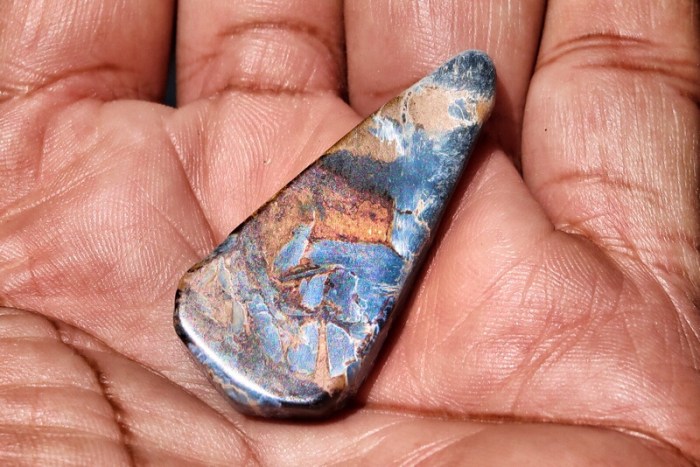
This petersite could make a great necklace!

The miners have equipment that lets them finish (turn raw stones into cut and polished gems) the stones they mine. The problem is that they don’t have the skills to finish the stones in ways that are aesthetically, therefore commercially lucrative. There is training they could take, but it would have to be tailored to them. So, that will be my focus for them.

Many other projects too, but that isn’t why I’m writing this post. What I really wanted to do was to send a big hearty THANK YOU to my family and friends who have supported me in my decision to do this Peace Corps thing.

The past 8 months has been a wild roller coaster of an adventure. I’ve felt the full spectrum of emotions, some I didn’t think I was capable of. I’ve seen and done things I know I could not have had I not boarded that plane 8 months ago. And the ride looks to be even wilder in the coming months.

And I’ve grown since coming here (not just in girth), and I feel that my path for growth stretches out in many directions, and all are positive.

None of this would have been possible without the support of the people who are the foundation of my social life, and who mean so very much to me. Again, to you I offer a deeply felt thank you.

To my new friends, those I have met physically and those I’ve met virtually, thank you as well. You’ve added to my adventure, and will continue to do so in ways I can’t imagine now. I hope that our meeting was mutually beneficial, and that our friendship continues.

To everyone, a Very Merry Christmas from beautiful Namibia.

And I hope that you will continue to…

Stay Tuned

Vern

Namibia: Cuisine

Meat! It’s what’s for dinner in a vast majority of Namibian homes.

When I first came to Namibia I stayed with a host family as part of the Peace Corps’ efforts to acclimate volunteers to their new environment.

My host family were transplanted farmer, they still own and operated a farm in southern Namibia, but choose to live further north and visit the farm from time to time.

They were also butchers. The day I arrived they had just received half a frozen cow, which was sitting, in parts, in their kitchen. For the following week their time was spend cutting up, packaging, freezing, and otherwise processing the cow. They got up early and worked until late in the evening. Often we wouldn’t have dinner until 10-11pm. And as you might imagine, the main course of every dinner was meat, in this case, beef.

It was a bit off putting at first for me. I wasn’t used to the amount of meat and how it was cooked and consumed. For instance, my American eating habits avoided large amounts of animal fat (except for bacon, which I’ll eat any time and anywhere), here that fat is relished. In fact, my host mother asked me several times why I would cut away the fat from my steak or chop.

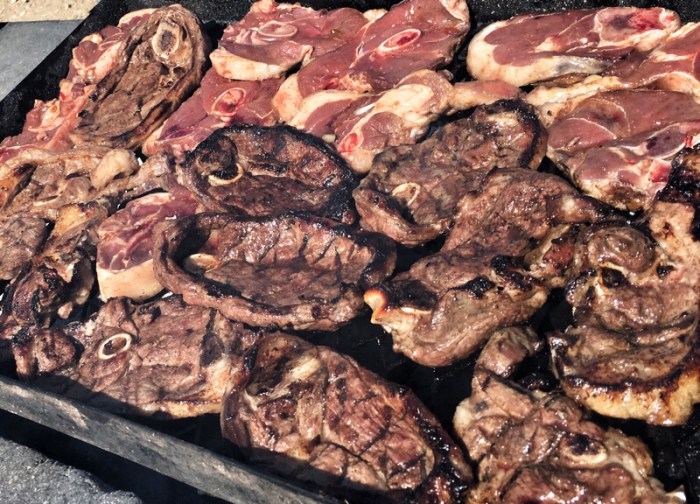
Now that I’ve been in-country for 8 months I’ve had the opportunity to see some of the many ways meat is prepared and eaten. By far, the most popular way to cook meat is over hot coals. This is called a braai (pronounced ‘bry’), and while it may sound like our American barbecue, there are distinct differences.

Braai coals are created using local hardwoods. It takes 1-2 hours to get the wood reduce to coals suitable for cooking. The meat is prepared hours ahead of cooking. It is seasoned or marinated and then left to ‘age’ at room temperature. More on the meat in a bit.

Like barbecues, braais tend to be social gatherings, but unlike barbecues, that tend to occur on special occasions, braais happen on any occasions or for no reason at all other than to socialize.

I should mention here that there are different ways to braai. Around lunch and dinner time you can walk down many streets in every town and find a braai stand where you can order strips of seasoned beef to be cut up, cooked and served, usually with a type of salsa that I can’t seem to get enough of. More on the salsa in a bit.

Braais may also feature cast iron pots where meats and vegetables are cooked in whats called a ‘potjie’ (pronounced “po-tgeez”). The resulting savory stew is eaten with ‘pap’, a thick maize porridge that is eaten by hand. (Note that the three-legged pot is called a potjie, but the meal may also called potjies.)

My favorite type of braais are the social ones where a host or hosts provide a place and a braai pit and people come with whatever the want to share. The last few braais of this type I was asked just to bring whatever I wanted to drink (but you bring enough to share).

Social braais can have so much meat that it’s unlikely you’ll get to taste it all. You’ll see people’s plates stacked with steaks and chops of beef, mutton and game. You might find some pap and salad buried under the meat.

And every social braai has wors (pronounced “vorse”) (lengths of savory sausage). Wors is always cooked last, and when the wors is done, the eating starts.

The last braai I attended I wound up being the braai cook, which is somewhat of an honor. I’ve become adept at starting braai fires, which can be a bit of a chore in windy conditions. When I get back to the States I’ll be brining the braai idea with me, along with several recipes. One of which, I’m still perfecting, is for the salsa I mentioned earlier.

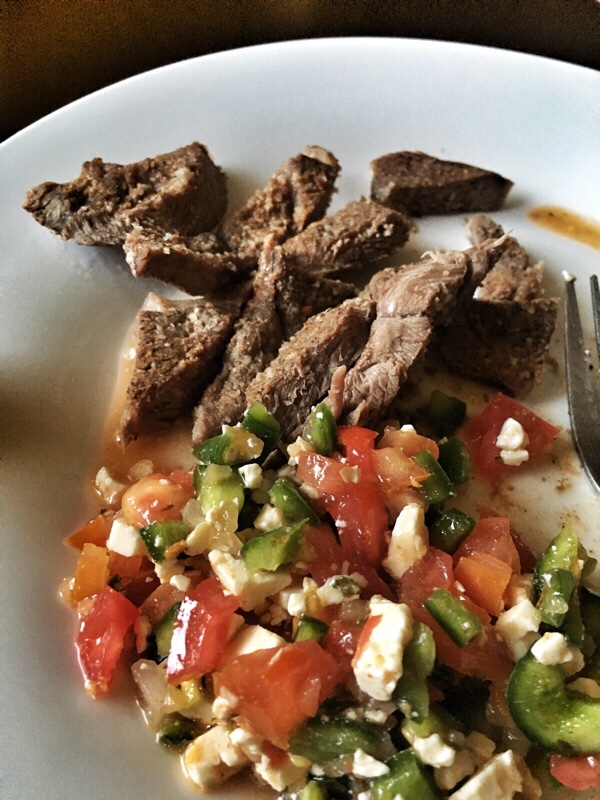
The basic salsa consists of finely diced onions and tomatoes combined with a savory-hot spice. To that I’ve added other ingredients resulting in a salsa so tasty I have Namibians asking me to make it for them. Some have suggested that I package it and sell it. I may just do that.

MEAT!!! Typical braai

Potjies. The white stuff is not mashed potatoes, it’s pap.

Strips of beef with my Salas

You eat with your hands!

So, to experience true Namibian cuisine you have to go to a social braai. Bring your own bottle and come hungry.

Stay tuned!
Vern

Namibia: Half Forgotten, Half Remembered

Namibia is a beautiful country. It’s landscapes seem to merely tolerate the machinations of its human inhabitants, patient with the sage knowledge that time is on its side.

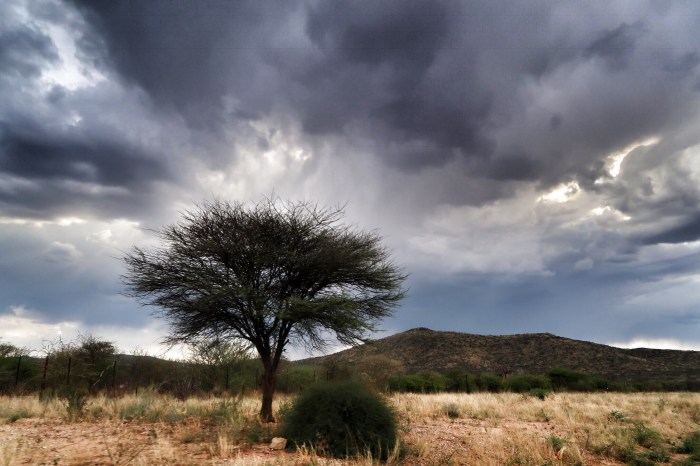
Storm in the Erongo Region, Namibia

Windhoek, the largest city in Namibia, owes much of its distinct European flavor to its apartheid and colonial past. It hustles and bustles well into the night with clubs pack full, even on a Tuesday night. But step away from Windhoek in any direction and you’ll immediately see what Namibia, the land, is really like.

The Warehouse in downtown Windhoek on a Tuesday night
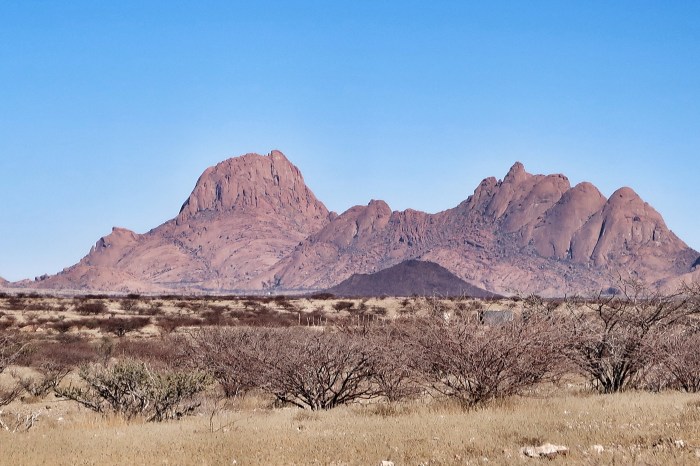
In Spitzkoppe, about 3 hours south west of Windhoek, there is 4000 year old Bushman graffiti, but in the surrounding landscape little is left of those ancient inhabitants, nor of the Damara or colonial Germans who once laid claim to the area. Time has all but erased their footprints.

Spitzkoppe

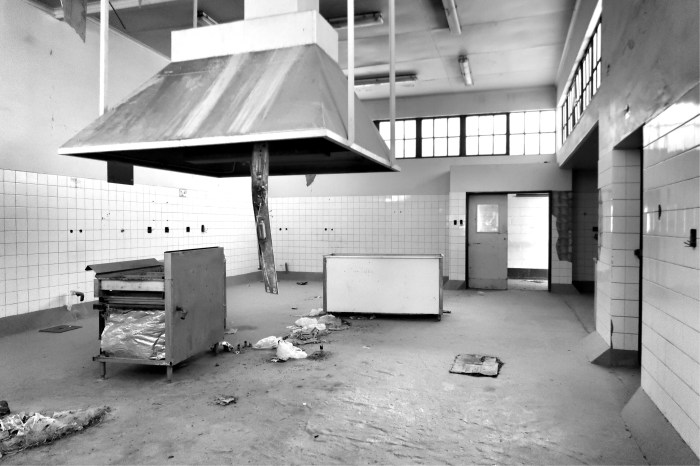
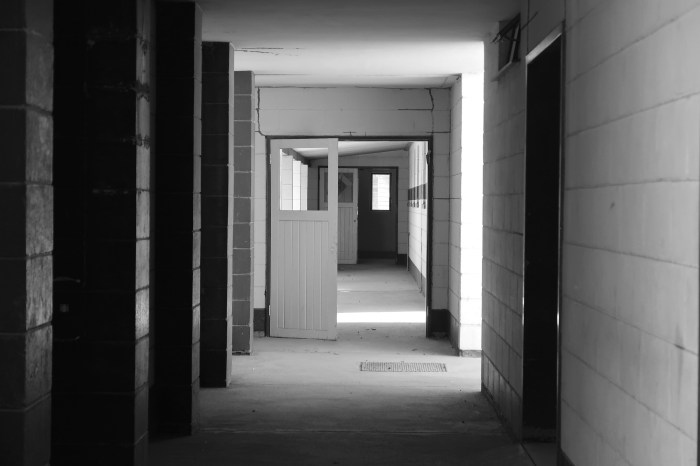
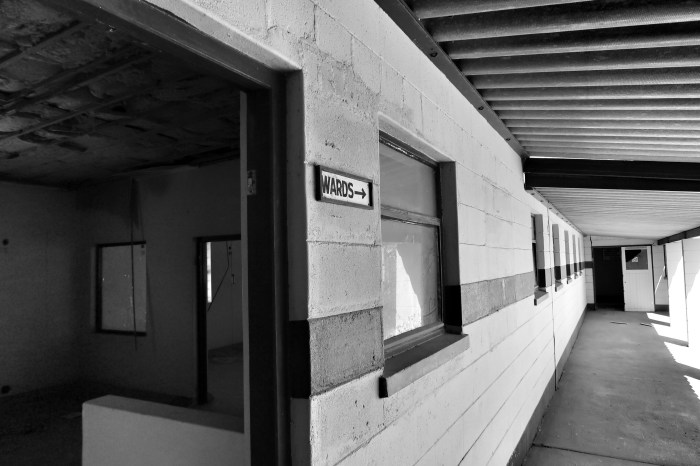
Further to the southwest of Spitzkoppe is Arandis, a town built to house uranium miners in the mid 1970s. In 1981 a state of the art hospital was constructed to service the residents and the surrounding rural communities. Sometime in 2015 the hospital was abandoned in favor of a small clinic. As with everything in Namibia if left to nature, and with a little human help, the desert has started to erase the hospital.

Arandis Hospital, abandoned

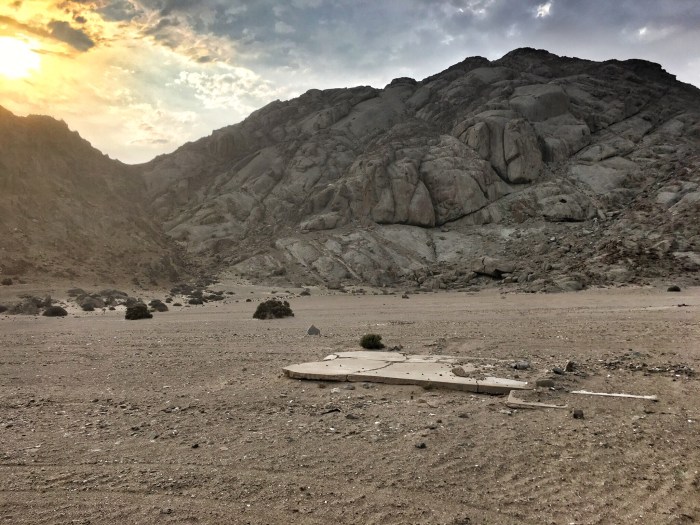
A bit further, toward Swakopmund, at the foot of Mount Rössing, crumbling concrete foundations thought to be the remnants of a train station are all that’s left of whatever human business occurred there.

At the foot of Mt. Rössing

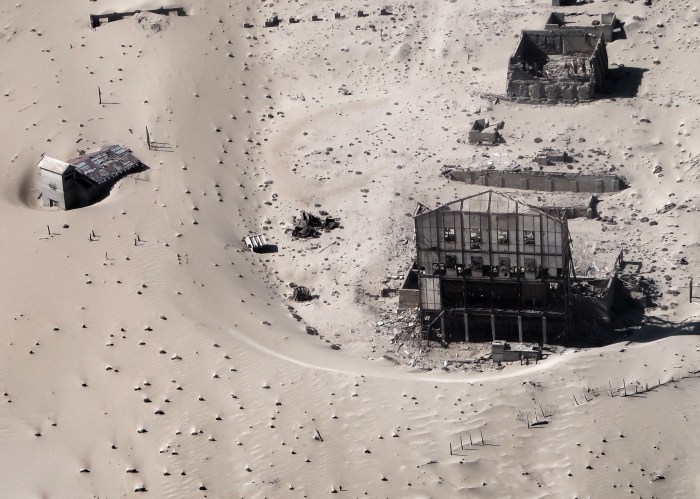
Go further south for about 10 hours by car and you’ll find Kolimanskop, a diamond mining town that was abandoned in 1954. What’s left are half buried buildings, ghosts of what they once were and what they once represented.

Kolimanskop Ghost Town

These are just a few of what is a common theme, a message from an indulgent land that says that after we and our endeavors have gone silent, this land will still be here. I feel privileged to be able to witness its inexorable march and show the evidence to you.

Stay tuned

Vern

Namibia: Surreal

There are many realities that I am discovering as I journey though my life here in Namibia. Most seem to be obvious, especially if spoken aloud. Like, “I am no longer in America.”

That became completely apparent when stepped off the plane in Windhoek 6 months ago. But there have been times when it wasn’t so obvious. I grew up in neighborhoods where nearly every face was a shade of brown and most people lived from check to check, be it paycheck or welfare check. Fifty or so years later I find myself in nearly the same environment, just on a different continent. My home back then was basic, but clean, just as my home is here in Namibia. I had many friends, but I also spent a lot of time alone back then, just as I do now. So living here often feels familiar and can sometimes seem as right as rain.

In my Erongo Region town there are things that need fixing and little money in the town’s coffers to fix them, just like so many hamlets throughout the Rust Belt, Appalachia, and the Rural South in the U.S. and people make do with what they have, and learn to see beauty and grab opportunities when they present themselves. One can get lulled into expecting the familiar, but it is the vistas and the random chance encounters that can make the reality of my current life slam me like a linebacker, and I’m left wide-eyed, slack jawed and can only mutter, “oh!” while my mind attempts fit what I’m experiencing into some familiar context, and failing.

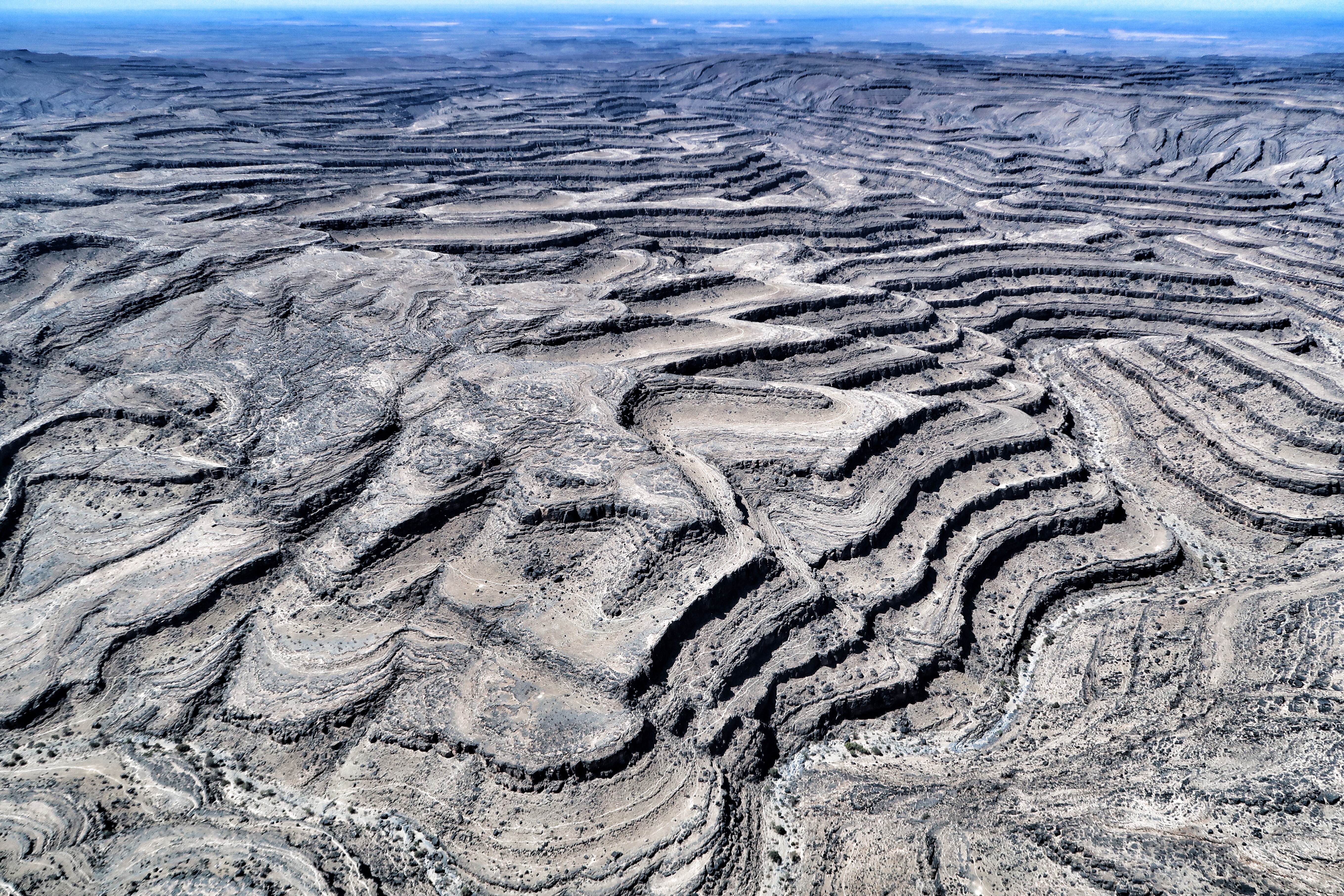
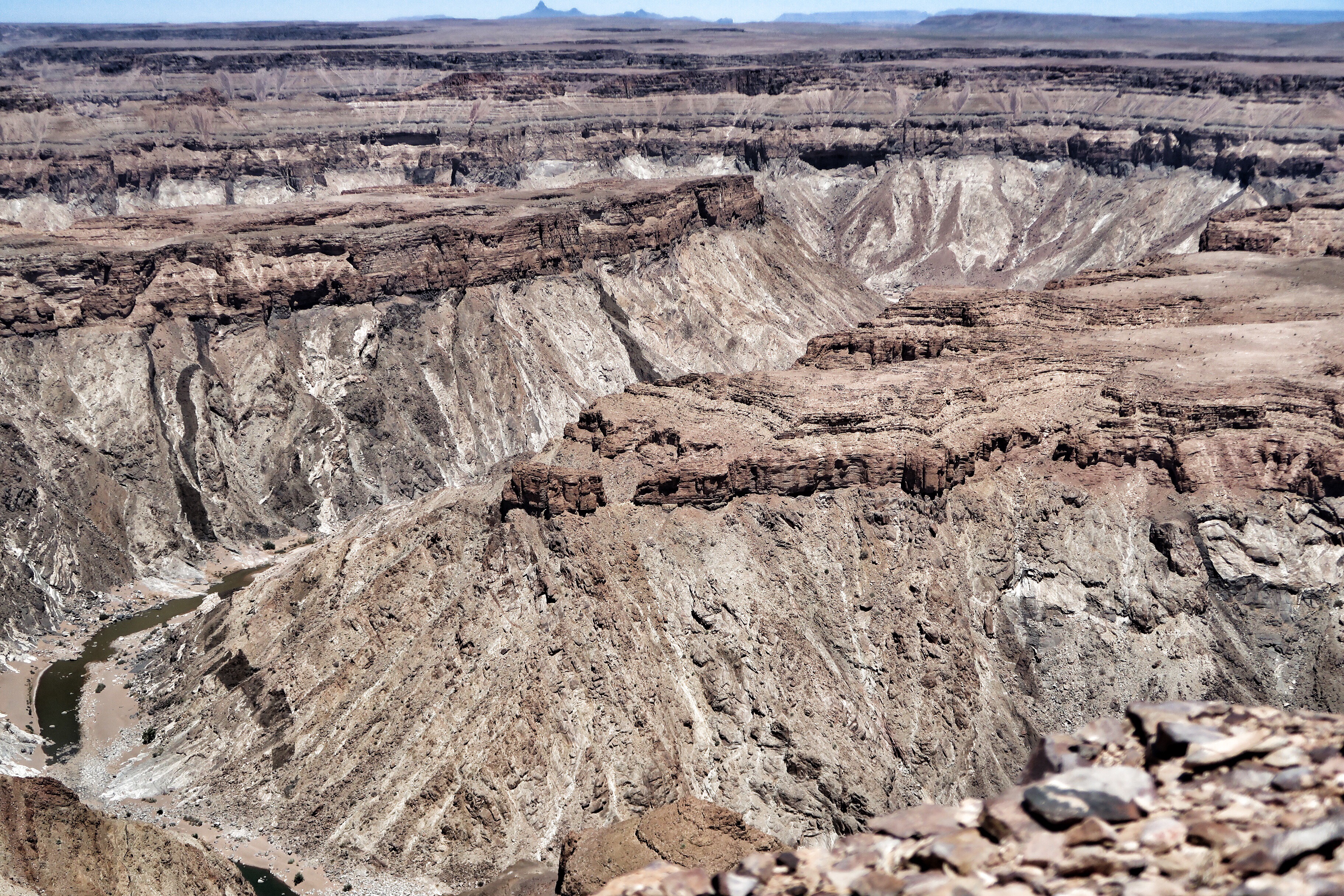
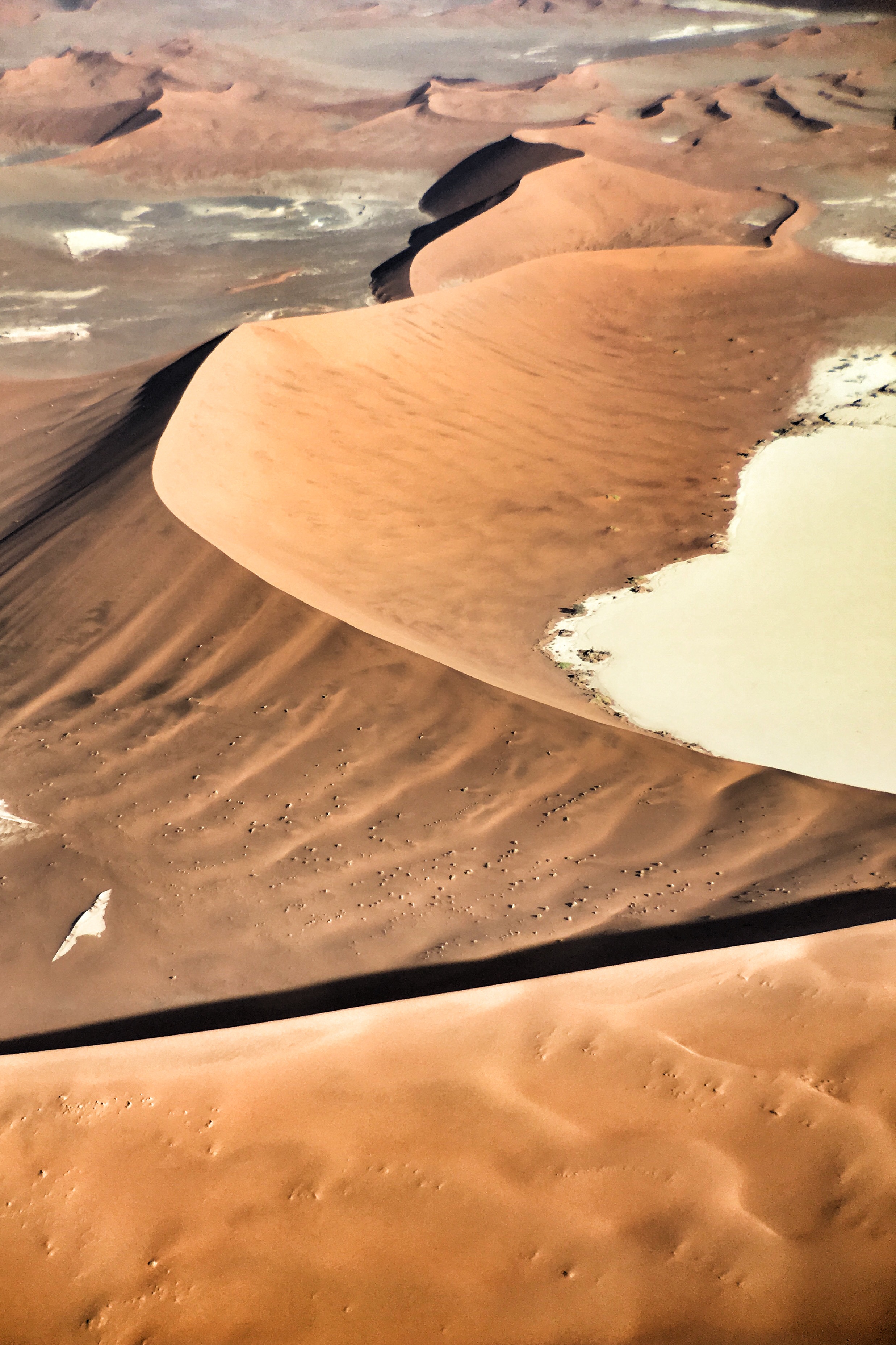
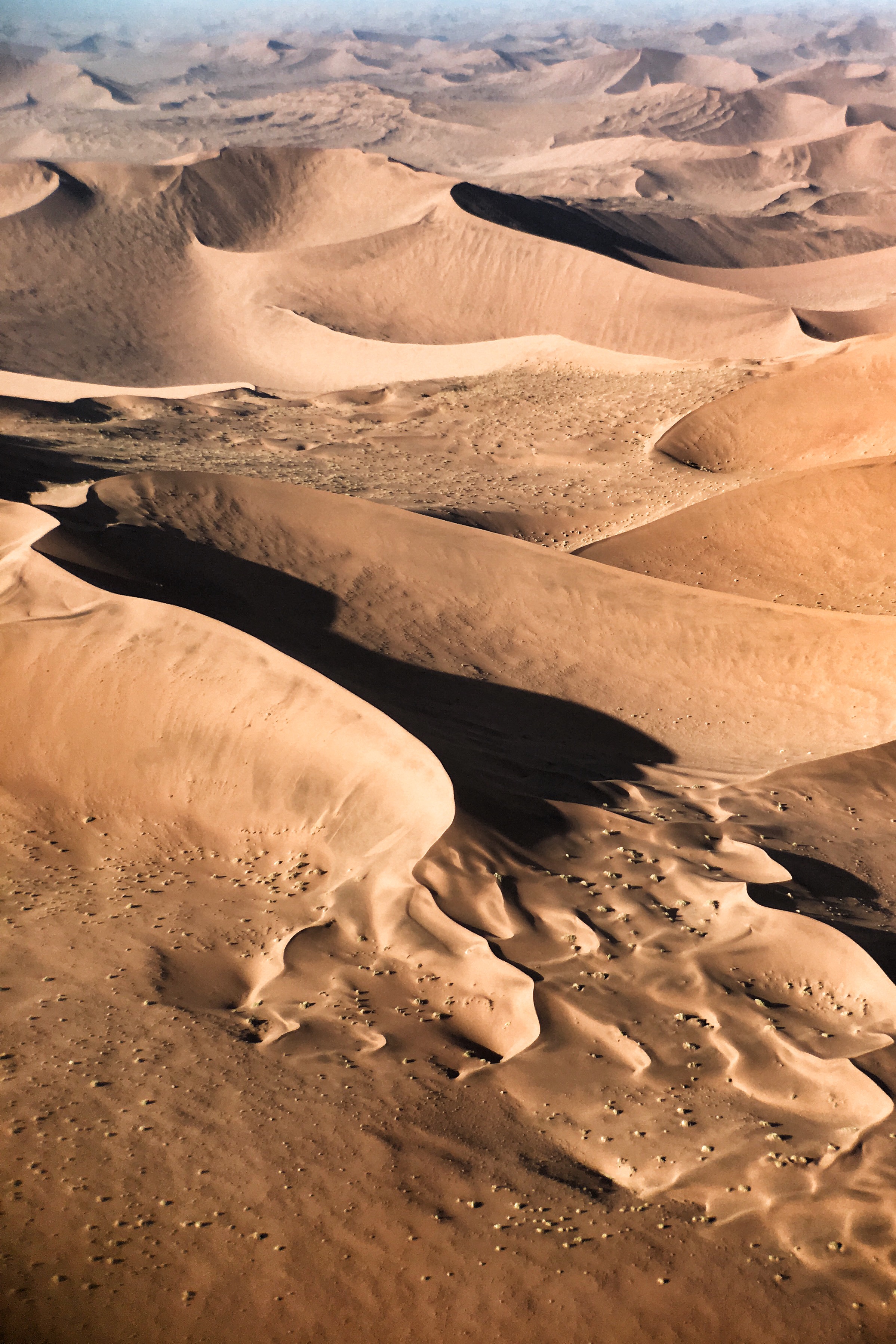
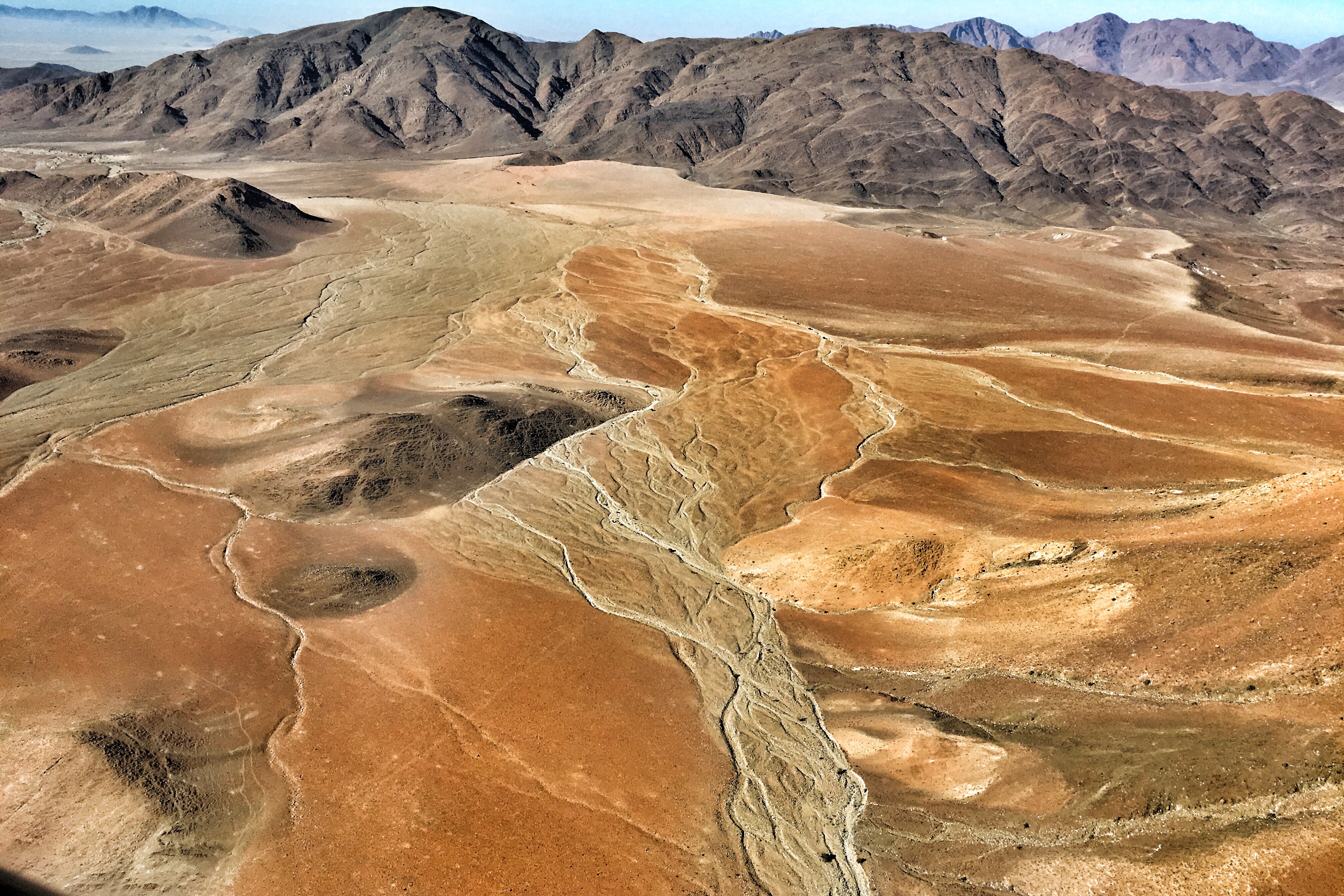
I had such an opportunity last week. A fellow Peace Corps volunteer, on vacation with family, offered some extra seats in a plane charted for an aerial tour of Sossusvlie and Fish River Canyon here in Namibia. I was lucky enough to be able to take advantage of the offer. What I saw was hard to describe, the only word that may do it justice is ‘surreal’. Instead of me trying to tell you what I saw I’ll let the photos I took do the talking.

Fish River Canyon

Fish River Canyon

Sossusvlie

Sossusvlie

Sossusvlie


More to come.

Stay tuned,

Vern

Namibia: Close and Personal – Moses Helao of Karakulia Weavers

In one of my earlier posts I talked about my Afrikaans teacher, Aunty Martha. She was such a wonderful and interesting person that I felt I needed to tell you all about her. The thing is, I’m constantly meeting wonderful and interesting people, which is only reasonable since I’m in a wonderful and interesting place. (Duh!!!)

Anyway, I thought I’d start sharing some of the stories of the folks I meet and have been lucky enough to call my friends. I’ll call out these types of posts with the title: Namibia: Close and Personal. Since Aunty Martha was the first, this post will be the second in the series. I hope you enjoy them.

When I’m in Swakopmund on business, which tends to be during the weekday, I try to get around town by walking. It isn’t the fastest means, I could and catch taxis for that, but walking lets me see more and I get my miles (or kilometers since this is a metric country) in.

On one of my jaunts I walked passed a fairly nondescript building with these words painted on the side, “Karakulia Weavers, Handmade Rugs”.

“Ok,” I thought, “that could be interesting.” And I filed it away in the back of my mind to investigate later.

Walking also means that I put a hurting on my shoes. I have a pair of Wolverine 1000 mile boots that I’ve worn a hole in the sole and had to get repaired. I figured I needed another pair of shoes to walk around in and some friends, Georg and Xenia (hopefully they’ll be the subject of an upcoming Close and Personal), recommended some locally made shoes. As it turned out, the shoe shop is directly across the walkway from the rug maker. The shoe shop didn’t have the color or size I needed, but promised they would soon and said I should stop back. Since I was there and the rug maker was open I thought I’d stop in.

I’m glad I did.

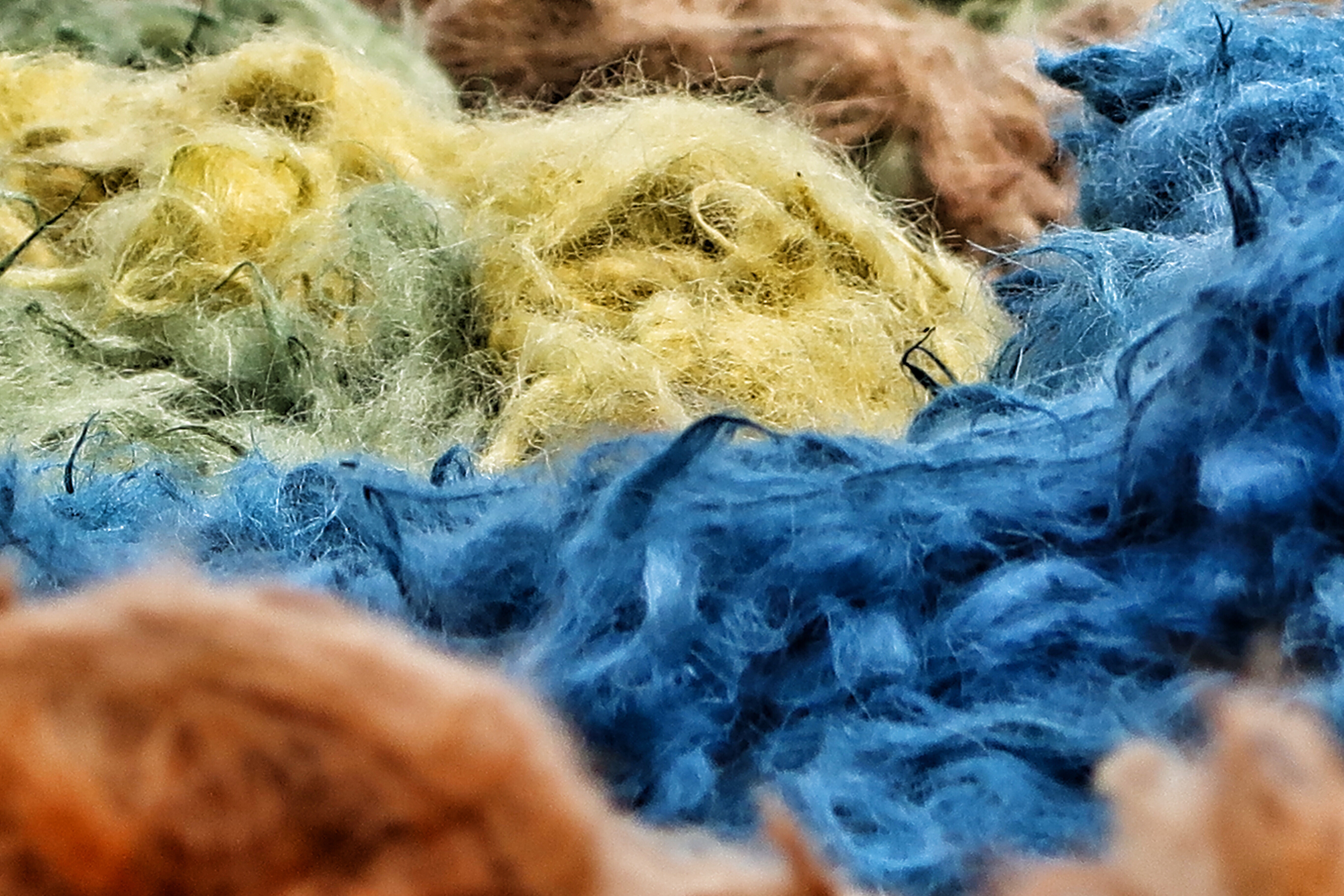
Karakula wool


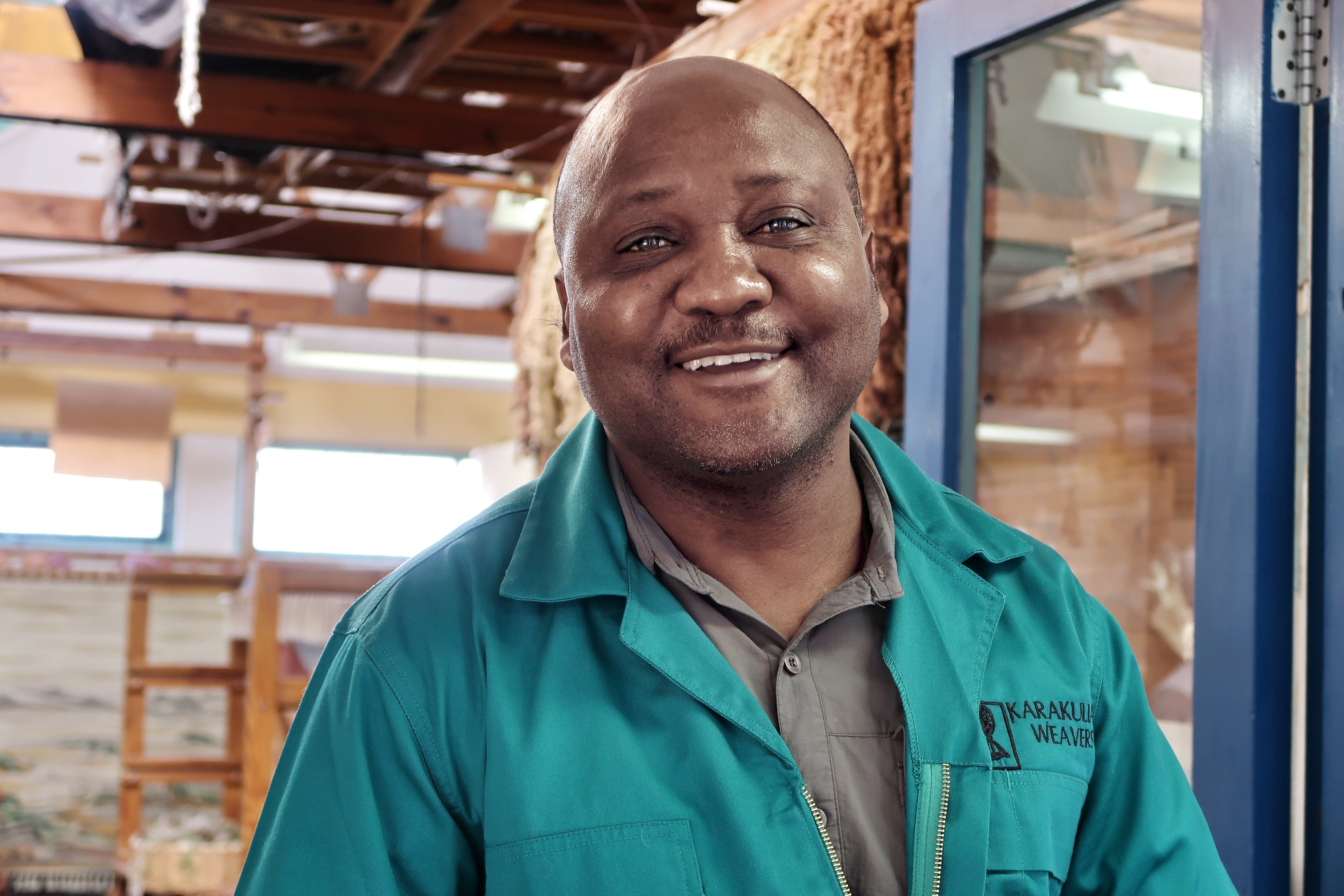
Moses Helao owns Karakulia Weavers. The small factory is one of the oldest businesses in Swakopmund. It was established in 1979 by Ms. Jenny Carvill. Mr. Helao started as a wool cleaner in 1991, learned the business and ultimately bought the factory in 2011.

Moses Helao, Owner of Karakulia Weavers


When I walked into his shop Mr.Helao was emerging from his office. He is a tall man who smiles easily. I guess he’s used to curious tourists dropping in all the time, but tourist season is only just beginning, and I was alone. Not your typical camera toting sightseer. Mr. Helao must have recognized that I was different and, after our greeting, he asked where I was from. I told him.

“What brings you to Namibia,” he asked?

I gave him a brief version of my story and he said, “Ahh! The Peace Corps! I know of them. They do good work. I hope you enjoy your stay.”

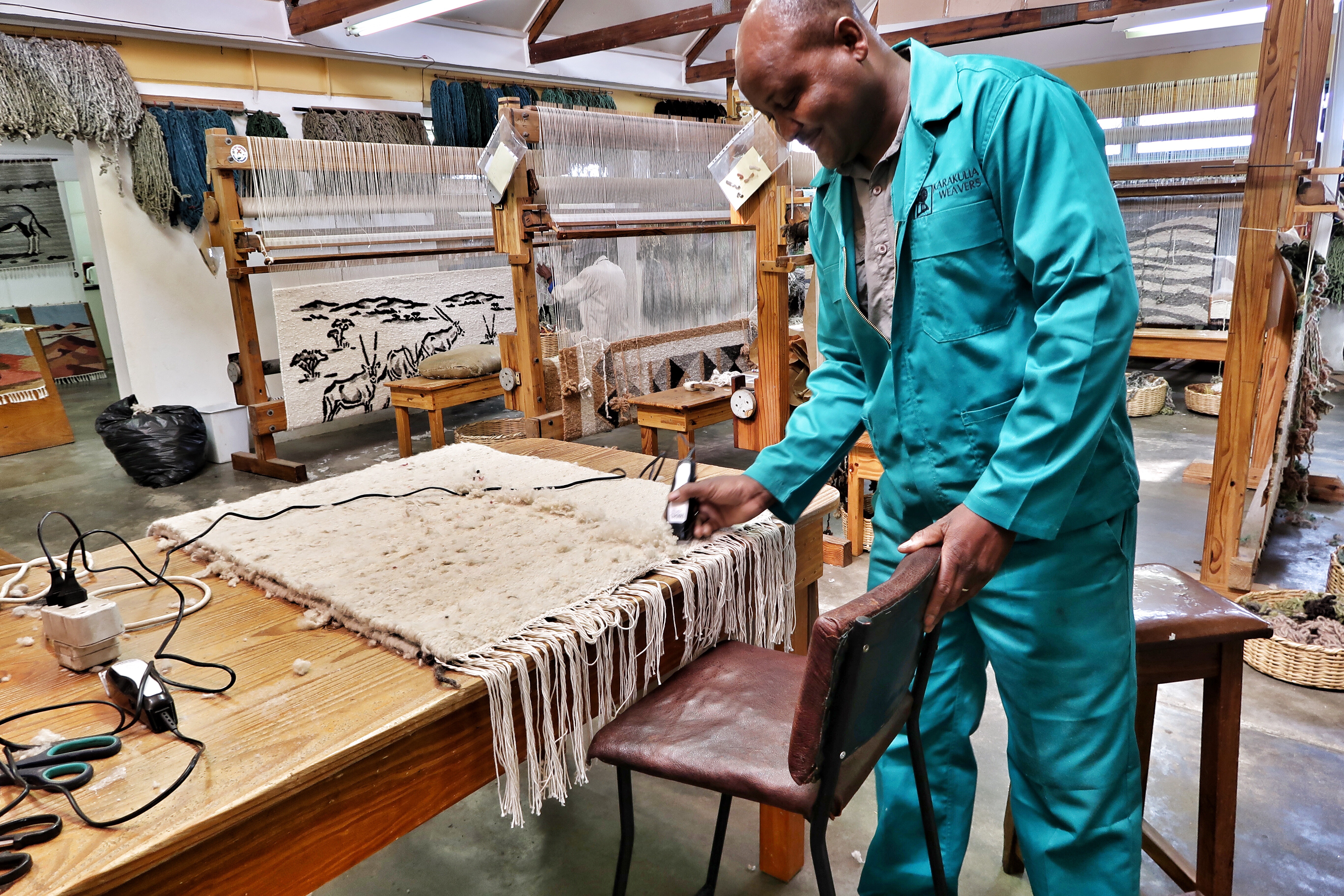
Mr. Helao shaving a rug.


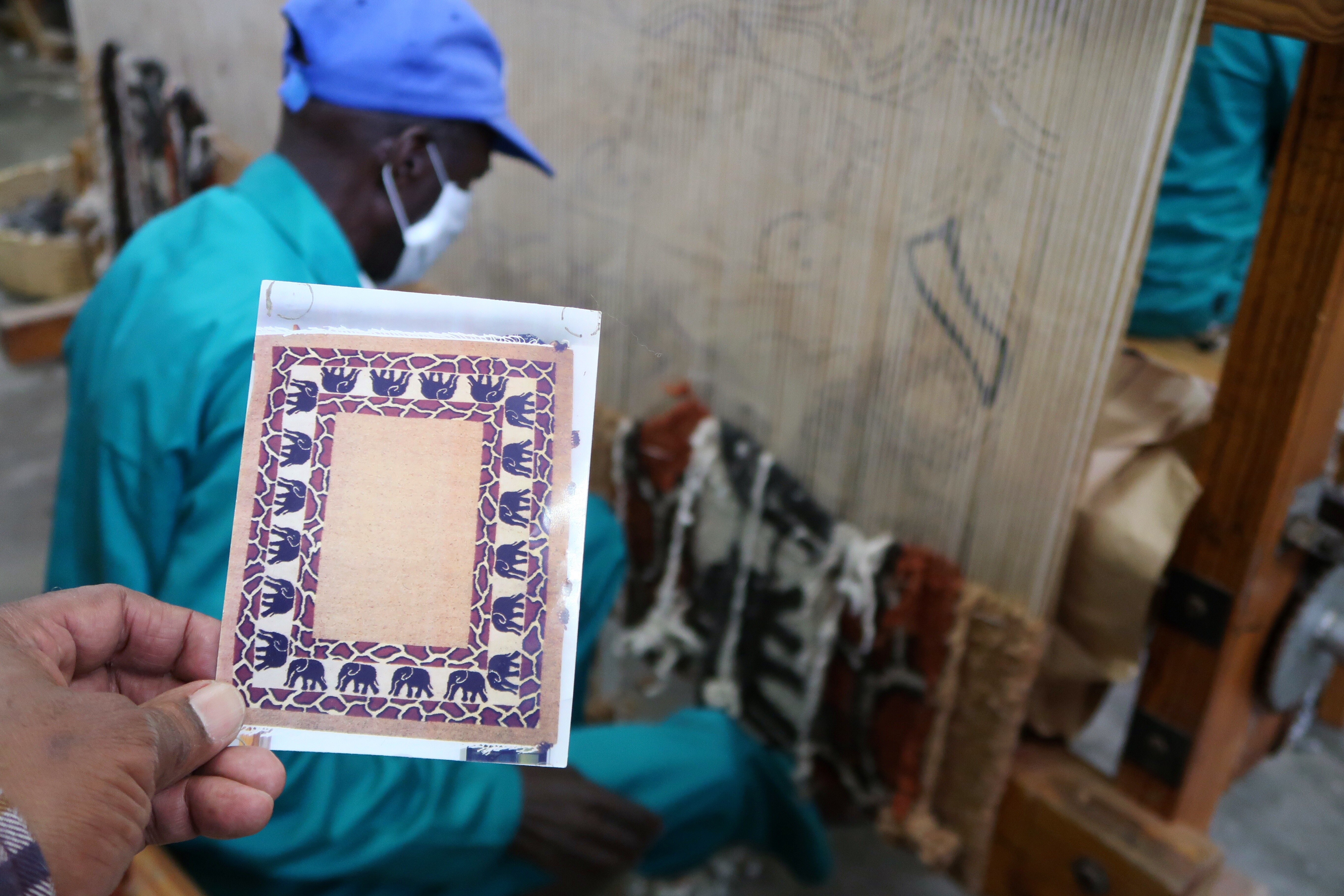
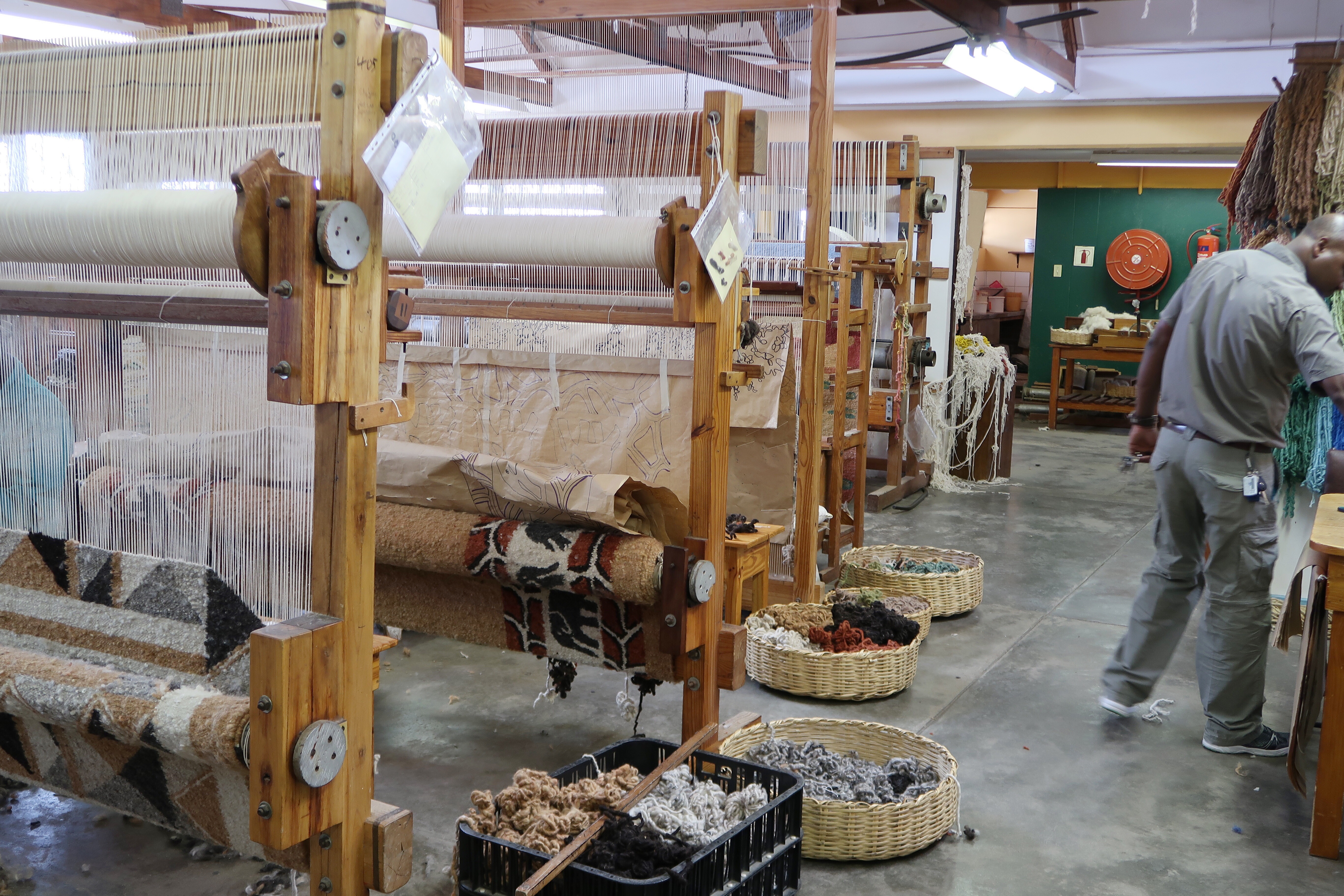
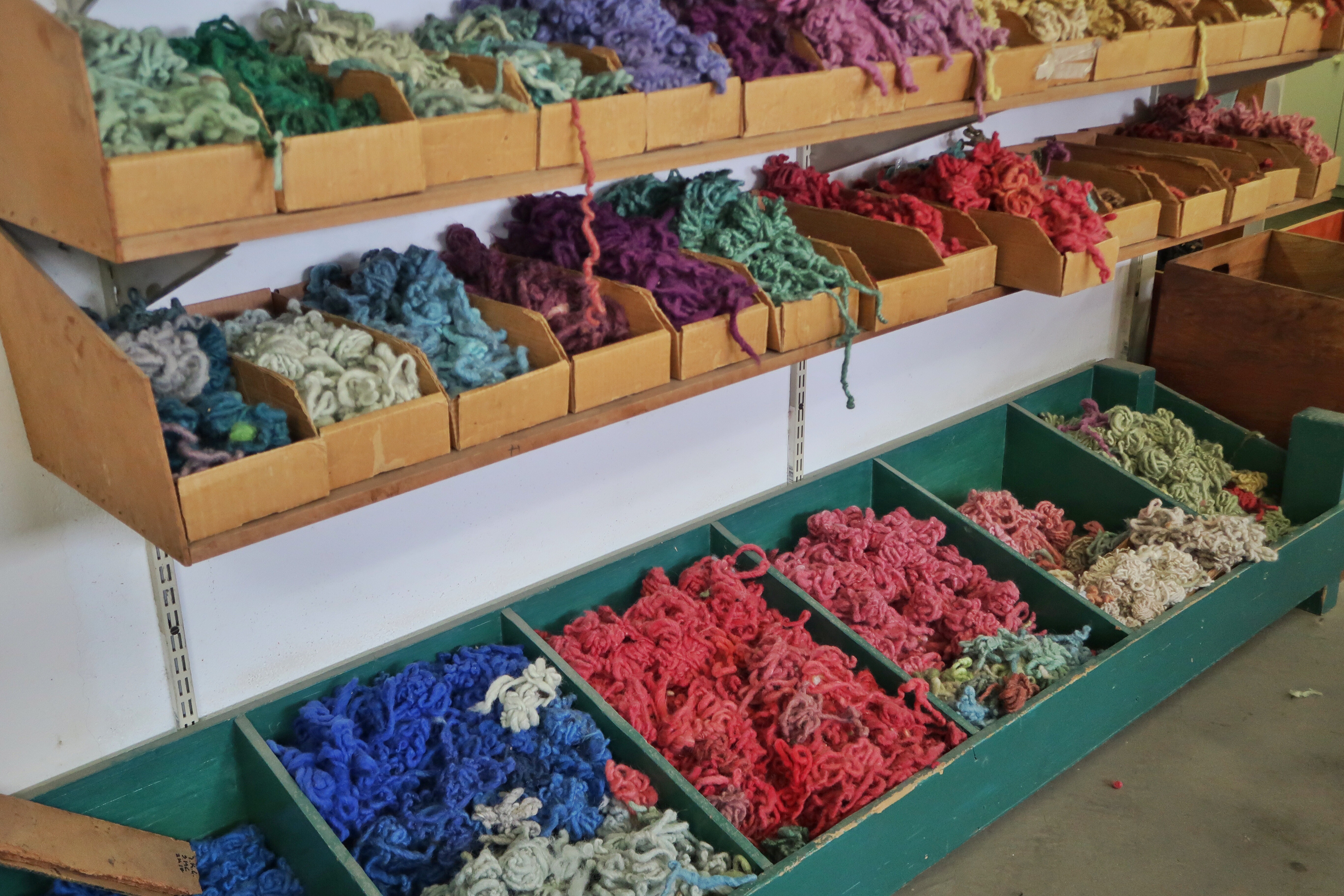
He then offered to give me a personal tour. I was happy to accept. He showed me a video of a sheep getting shorn, then the resulting bales of raw karakul wool sheared from local sheep. We moved on to stations where the wool is cleaned, processed, and dyed. The dyed wool is laid out to dry in the sun, then spinners take the piles of freshly processed wool and turn it into yarn in a way that is not too different from how its been done for hundreds, perhaps thousands of years. I passed bins containing skeins and spools of spun yarn in such a variety of colors it would shame a rainbow. And then there were the looms. Maybe 20 of them, each manned by artisans who took the yarn and turned them into beautiful rugs and wall hangings.

Rug being made to order

Looms!!


Mr. Helao’s pride shown brightly as he showed me each station and explained each process. His is a story of hard work and a passion to preserve a manual process in an increasingly digitized world.

Rainbow in wool


Mr. Helao is humble and soft spoken, but lights up when asked about his business. He’s a man who has worked hard to get where he is, yet he hasn’t lost site of his humanity. His company employs over 20, and ships it’s products worldwide. Whenever I come into his shop Mr.Helao stops what he’s doing and greets me graciously. He does this for everyone who comes in whether they buy or not. It’s who he is and I am happy to be able to call him a friend.

Check out his website: http://www.karakulia.com.na/workshop/

Stay tuned.

Vern

Something Old, Something New

Yes, I know it’s been a while, and to claim I’ve been busy would be a true, if somewhat worn claim. I’ve also been a bit under the weather, but again, it’s an excuse.

The real cause for my lack of blog update is a mild case of writer’s block. I have a seemingly endless list of topics to write about, but I like to feel out my topics before I start writing, and for most items on my list, I’m just not there yet.

Be that as it may, I promised to blog and blog I shall, even if the subject matter is a bit scatterbrained. Please forgive me.

Florida:
To my friends in Florida. My thoughts were with you as Irma blew through. I stayed up and watched whatever news feed I could get and chatted with friends in Florida and elsewhere who could get information better or faster than me. I know that some of you had damage and/or are without power. It is tough to watch as such events unfold and there’s nothing I can do but offer hope for minimal damage and speedy recoveries, but if it helps at all, that’s what I offer. Please feel free to reach out to me if you need to vent, sob, joke, or just chat.

Down for the Count:
The last half of last week was a tough one. I started feeling ill on Wednesday. Typical flu-like symptoms; chills, body aches, very tired. I had a fever, but it never exceeded 99℉. I figured I’d just ride it out. I had a meeting that I could not miss on Thursday, however, so I trudged into the office and sat in. My supervisor kept watching me as I sank lower in my chair as if the fever, now just over 100℉, was literally melting me as I sat. He ended the meeting and threatened to take me to the hospital. I declined explaining that if I could just get to bed and get some Tylenol in me I’d be ok.

He dropped me off and I staggered out of my street clothes, into my very warm PJs and piled as many blankets, coats, even dry bath towels on top of me as I had available to reduce the shivers. Thursday night was likely the most painful night I’ve spent in Namibia. My body, especially my lower back, felt like I’d been trampled by a heard of rampaging elephants. My head felt like a balloon a few seconds from popping from over pressure. My skin grew sensitive. Ever the hair on my arm hurt. Sleep was evasive. I finally took some extra strength Tylenol and within an hour I was asleep.

I stayed home Friday though I needed to go into Swakopmund, which was smart. When I woke I felt better, but still weak. Even though I hadn’t eaten since Tuesday night I was only mildly hungry, so I drank some fruit juice and ate a few crackers. By Friday evening my fever stayed under 100℉ and I was eating food.

My friend, Florian, offered to drive me into Swakopmund on Saturday if I felt up to it, and I did thinking that I would take care of the errands I needed to attend to and come back for more rest. Florian was with his girlfriend, Welma, and they had other plans and invited me along. I was feeling about 80% recovered so I thought why not (MISTAKE!!!).

Dunes and Flamingoes:
Just south of Swakopmund are dunes. I mean big dunes like the kind you see in National Geographic specials. We went there first. I had my trusty Canon GX7 MarkII with me and I whipped it out to get a few sandy shot like this one…

Dune


The exertion of climbing a dune to get into the position to actually shoot that shot was deceptively easy. I was breathing hard at the top, but the effort was worth it I think. After all, I could then go back to finish recovering, right?

Nope.

The Florian suggested that since we were the road to Walvis Bay, why not visit?

Ok.

He found an area called The Lagoon and it’s wonderful place for bird watchers or anyone looking for a relaxing stroll. Since Florian was with his sig-oth I felt like a party crashing 5th wheel, but he and Welma assured me I was not a bother. Even so, I tried to give them as much couple room as possible. Easy to do at The Lagoon because there were so many flamingoes about.

Flamingo

Flamingtrio


Again, the pix were worth the effort, but my body was slowing shutting down, I just hadn’t noticed it yet.

Drinks on Him:
On our way through Swakopmund Florian suggested we stop for a drink, so we rolled into The Ocean Breeze, a nice size tavern tucked in the southern corner of Swakopmund. I got a glass of merlot (drinkable, but nothing to write home about) and watched a strange game being played between the bartender and Afrikaner who was determined not to lose, but did anyway.

The game involved three dice in a cup, each player has this. As near as I could tell it’s played like Yahtzee on speed. Three of a kind beats straights which beats two of a kind. It was fun to watch though I doubt I fully understand the rules. Even so, the Afrikaner lost twice while I looked on. Losing meant buying shots for players. I can tell you that the bartender can definitely hold her liquor.

While all this was going on a band struck up and played tunes either I hadn’t heard before, or they were butchered beyond recognition. I knew it wasn’t going to a good musical respite when during warmup the drummer couldn’t keep a beat.

Ah well.

The Return:
We did make it back to before dark (driving on the highway after dark is not for even the stoutest of hearts. Roads are occupied by the young, foolish and often drunk, and the occasional springbok. The two don’t mix.)

Only after I had settled in with a glass of wine that I noticed I was shivering. I checked my temperature and it was back to 100℉. No body aches this time, but I suddenly felt extremely tired. A hot shower, warm PJs and warmer bed was the cure. I spent all day Sunday recovering. This time the fever stayed down and by Monday morning I was 99% my old self again.

Sunset:
This photo has nothing to do with anything, it’s just me showing you what cool sunsets we have here.

Sunset


There’s more to come. I promise.

Stay tuned.
Vern

Namibia: Observations: Matured

Laura, a friend and fellow PCV, was grousing to me one Saturday. “Every time I get in line at the ATM the people in front of me insist that I go to the head of the line,” she lamented. “It’s like they’re afraid I’m going to fall over dead before its my turn.”

Laura is in her mid-sixties and keeps in shape by doing a weird aerobic two-step while wearing headsets and singing to whatever tune only she can hear. The exercise helps to keep her body on par with her extremely sharp mind, and keeps the local children entertained.

“It doesn’t matter how much I protest, they won’t take no for an answer. I guess I’ll have to live with it,” she concluded.

The “they” she referred to are the people of Namibia. They are the Herero, San, Nama, Ovambo, Colored, Basters, Whites, and the dozens or so other tribes and sub-tribes that inhabit this country. Their cultures and histories intertwine and are as diverse as their languages and appearances, but they all share a deep seeded respect for those they believe have been around a while.

I’m also in my mid-sixties, though time and life has been kind to me physically I’m starting to hear “Papa” or “Tate Kulu” associated with my name. These are titles of respect for older folks, though I guess they don’t respect me enough to usher me to the front of the line just yet.

Ah well…

I’m finding that Namibians view older people differently that we do in America. Back home everything is youth focused and advancing in years is something to be continually fought. We can’t do anything about the passage of time, but we’ll be damned if we have to look like it! We envy the smooth skin and firm bodies of the young and when we see seniors who have become comfortable with themselves we assume they’ve just surrendered to nature, they’ve given up the fight.

Here in Namibia, that you’ve been around a while seems to be cause for congratulations. Life here is naturally tougher, but its also hard due to created conditions. That you’ve managed to dodge death for so long means that you are either very lucky or very smart, and both should be respected.

But there seems to be more to it than finding ways of fending off one’s eventual demise. Namibians seem to understand that the longer we’re around the more we are changed. Our experiences make us different as we go through them. Some changes are subtle while other are fundamental, but that we are changed is the key. And the changes accumulate, they are integrated into ourselves so that we become something more than what we were. So, here, the passage of time isn’t just aging, it’s maturing.

That concept is applied to everything. For instance, in America our cheeses are ‘aged’, here they are ‘matured’. The flavor of matured cheddar is bolder, the color is richer, the smell is more pungent. It’s the way cheese should be experienced.

18 month matured cheddar. Tasty goodness!


There’s a matured (2014) South African pinotage that I’ve found that, unlike younger pinotages, is smooth and flavorful, and relatively inexpensive. It’s become my ‘house’ wine.

You may not find it Stateside, but if you do, get it!


It’s not just things, time and experiences enriches one’s ability to produce as well. Music expertly played on real instruments sounds far more intimate than the throbbing beats of canned tunes DJs push out. Shoes made by sewing leather soles to leather uppers seem to mold themselves to your feet, something plastics can’t do. Jewelry designed and painstakingly made by artists carry with them a bit of the creator’s soul. These and more require skills one only gains through time and experience. And the same is true for those of us who can truly appreciate them, us matured folk.

Earrings being crafted by a local artist


It could be that my time here in Namibia is forcing me to slow down a bit and see things through matured glasses. It could be that what I’m experiencing is just what everyone goes through when they’ve packed on a few years. I’m thinking it’s a combination of both.

And I like it!

Stay tuned,

Vern