Quick Update: On my way to Luderitz !

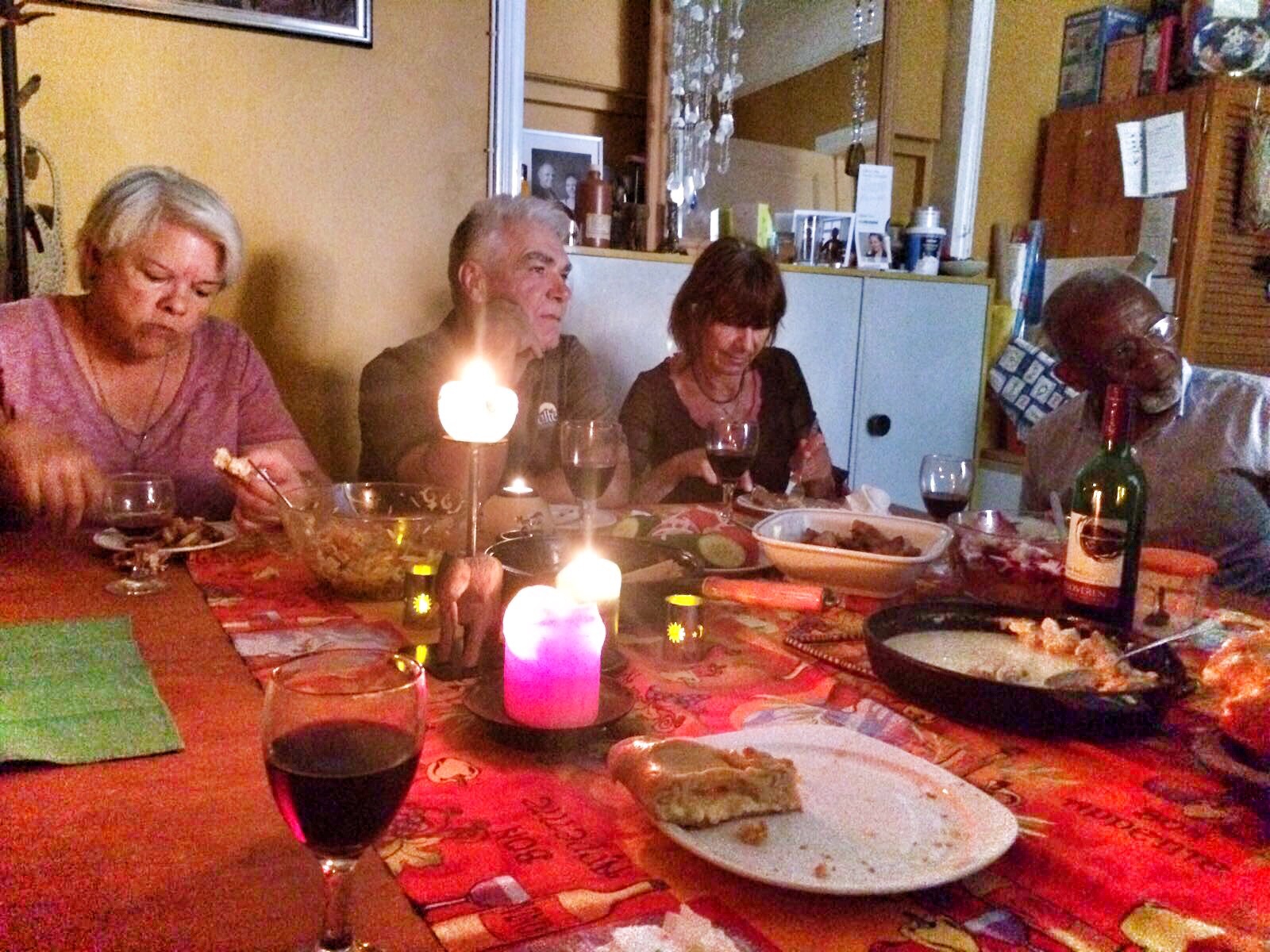
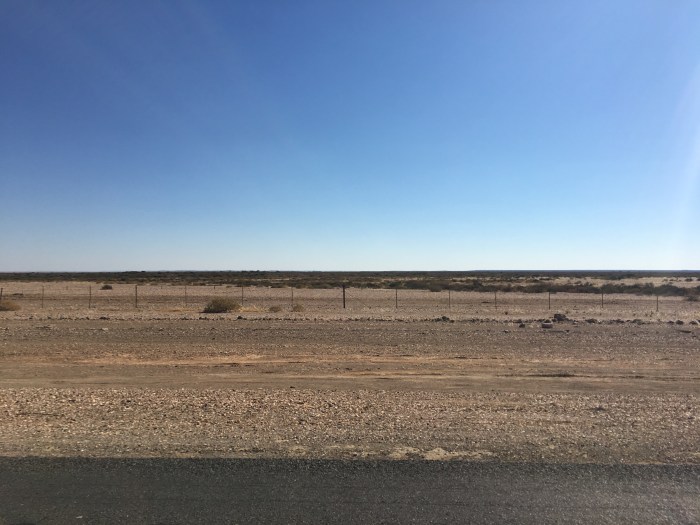
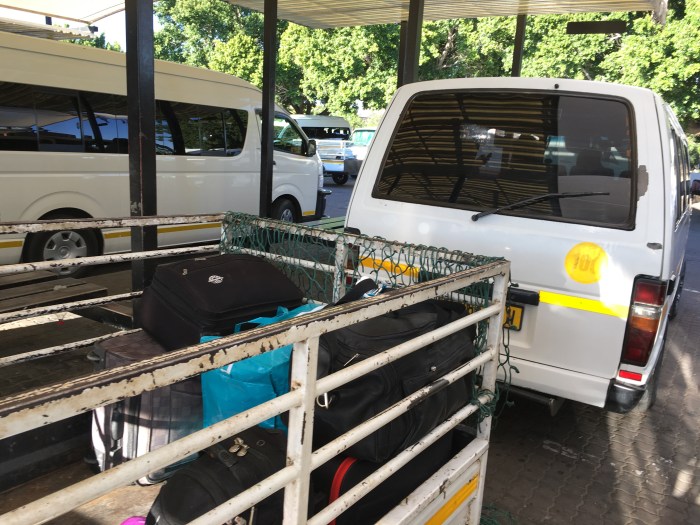
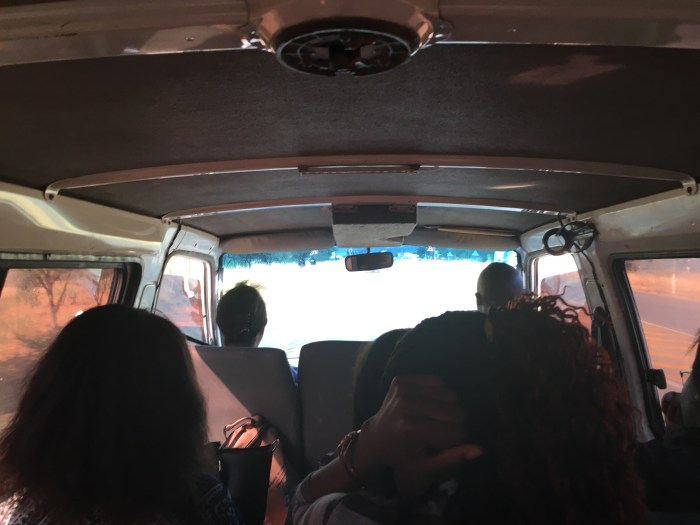
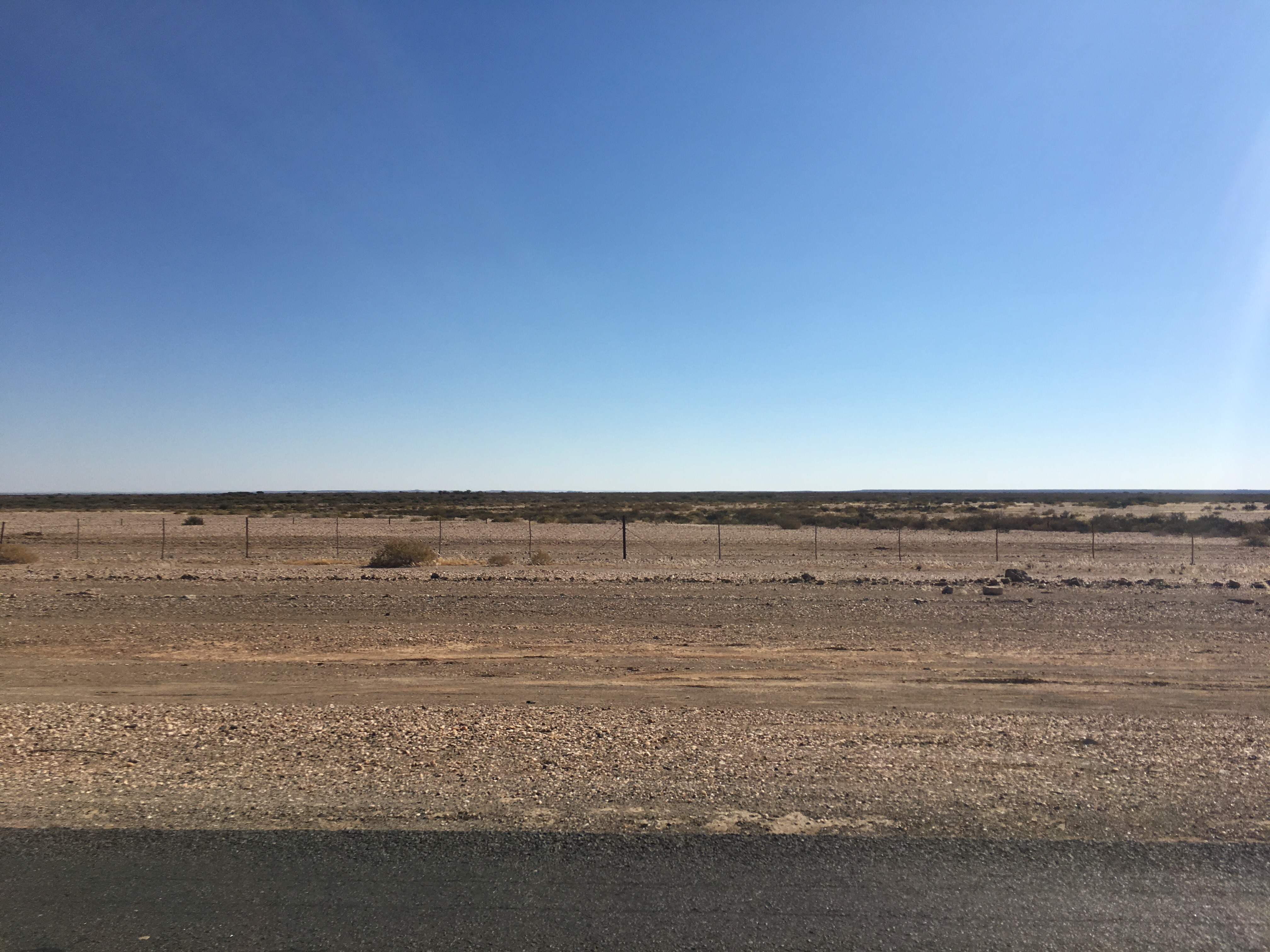
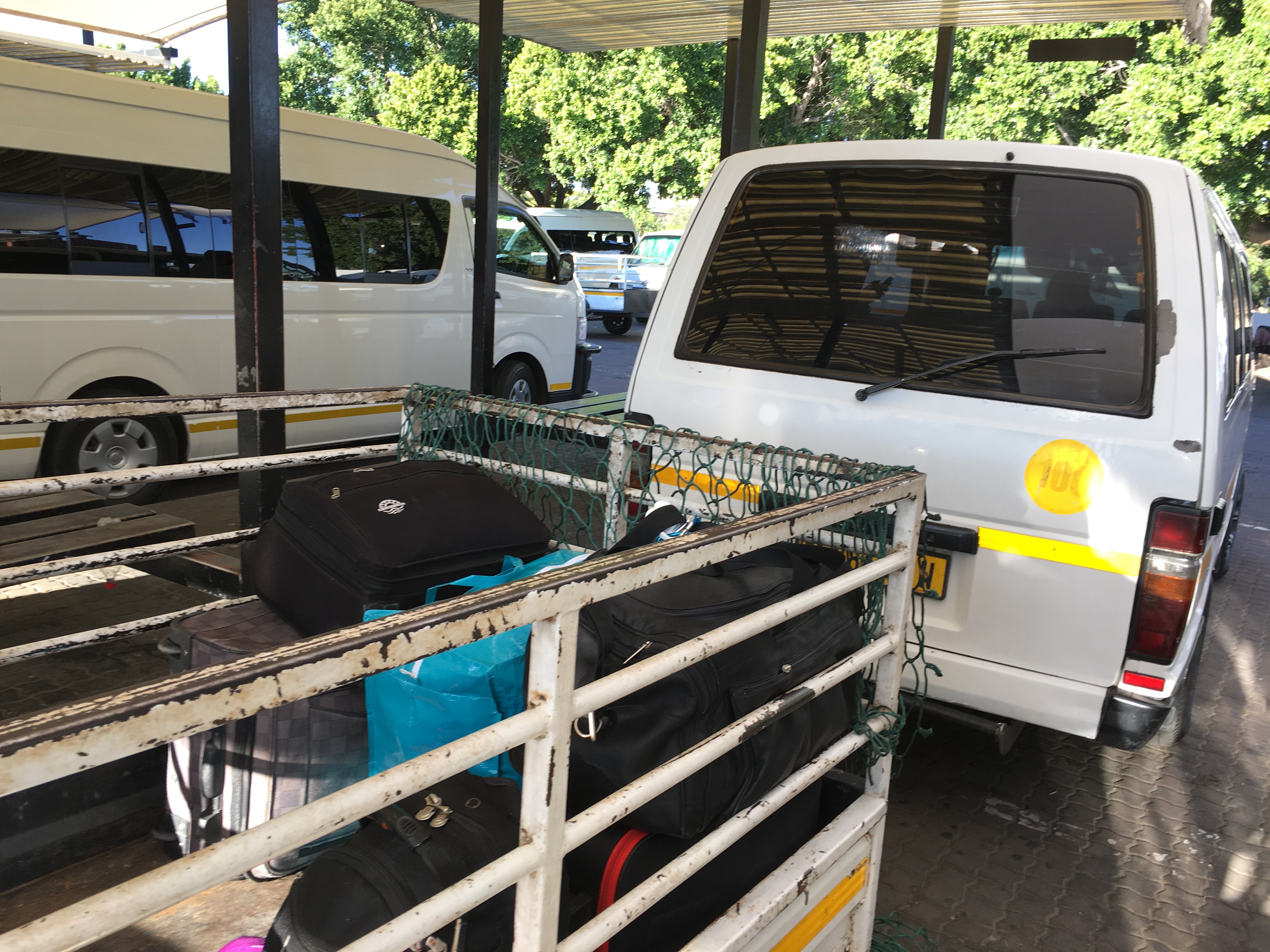
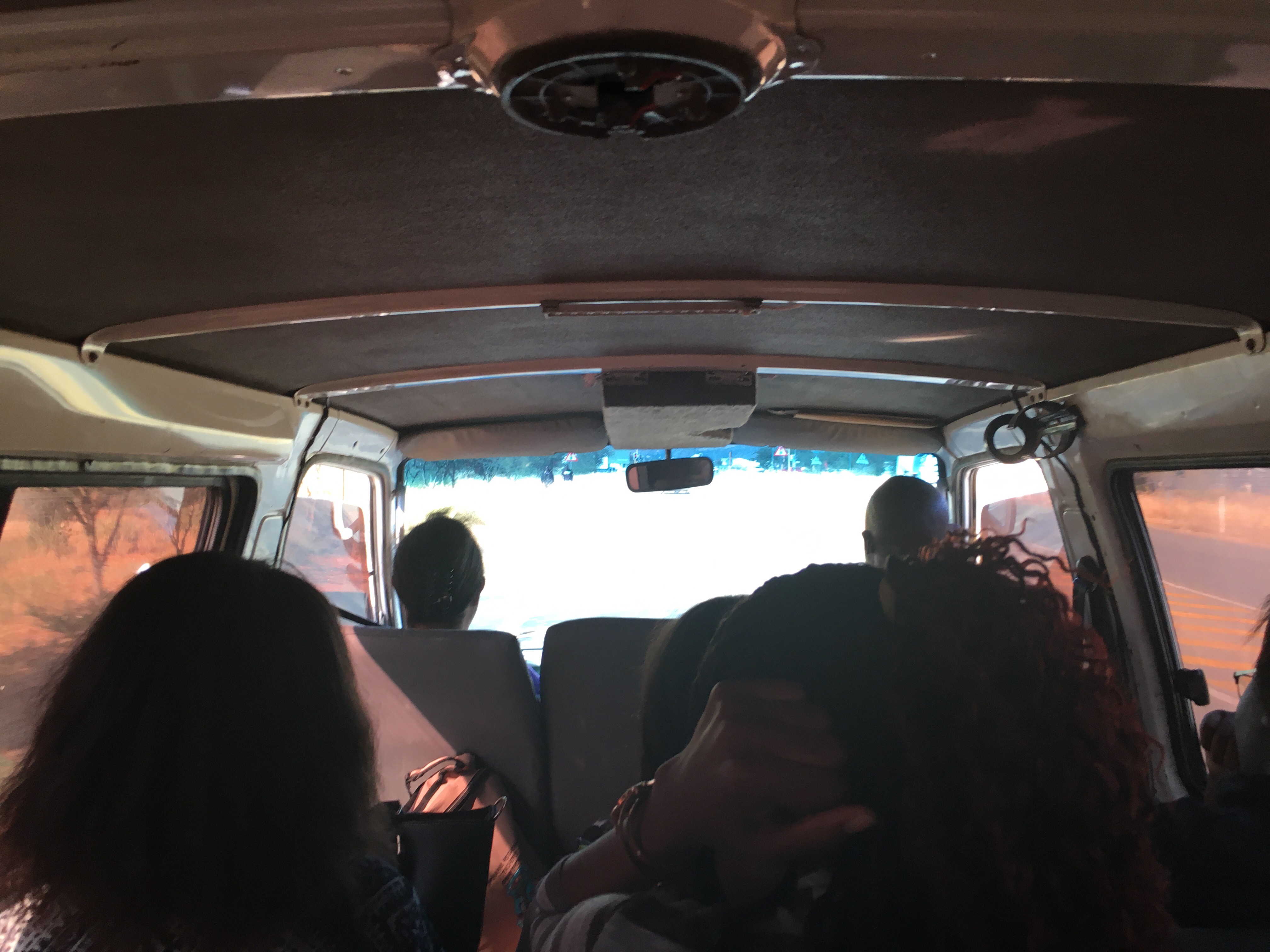
I’m heading to Luderitz in a few hours! Because of the distance (685km!) it will take 8-9 hours to get there. I’ll be going by bus and my more experienced travel partner in Travis, the PCV I’m shadowing. 

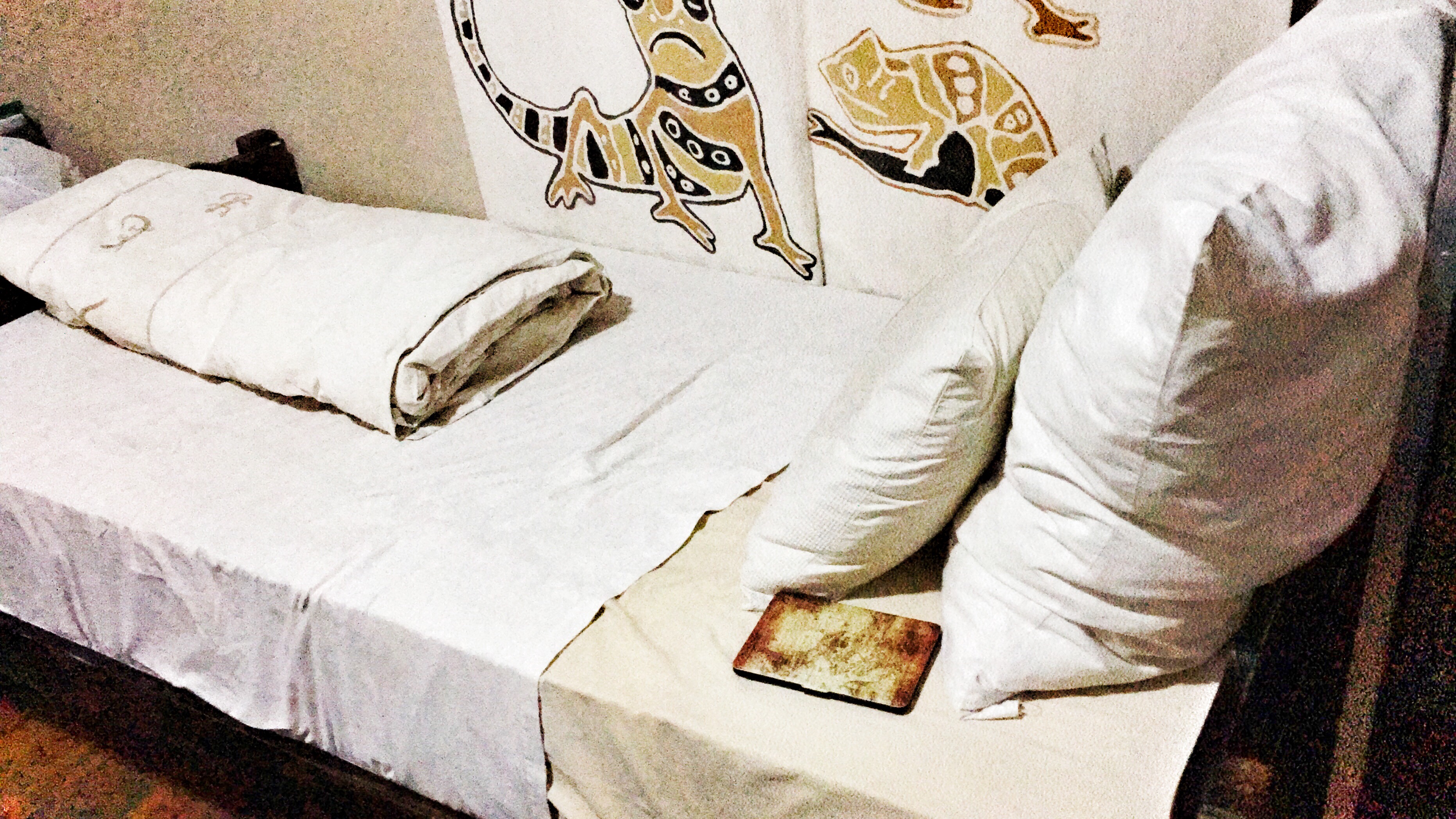
The Peace Corps put me up in a really nice hostel and I was able to (finally) take a shower and sleep in a comfortable bed. 


Just woke from a great sleep and now need to get ready. 

Stay tuned!

Vern

Namibia: Full of It

DISCLAIMER
“The content of this website is mine alone and does not necessarily reflect the views of the U.S. Government, the Peace Corps, or the Namibian Government”

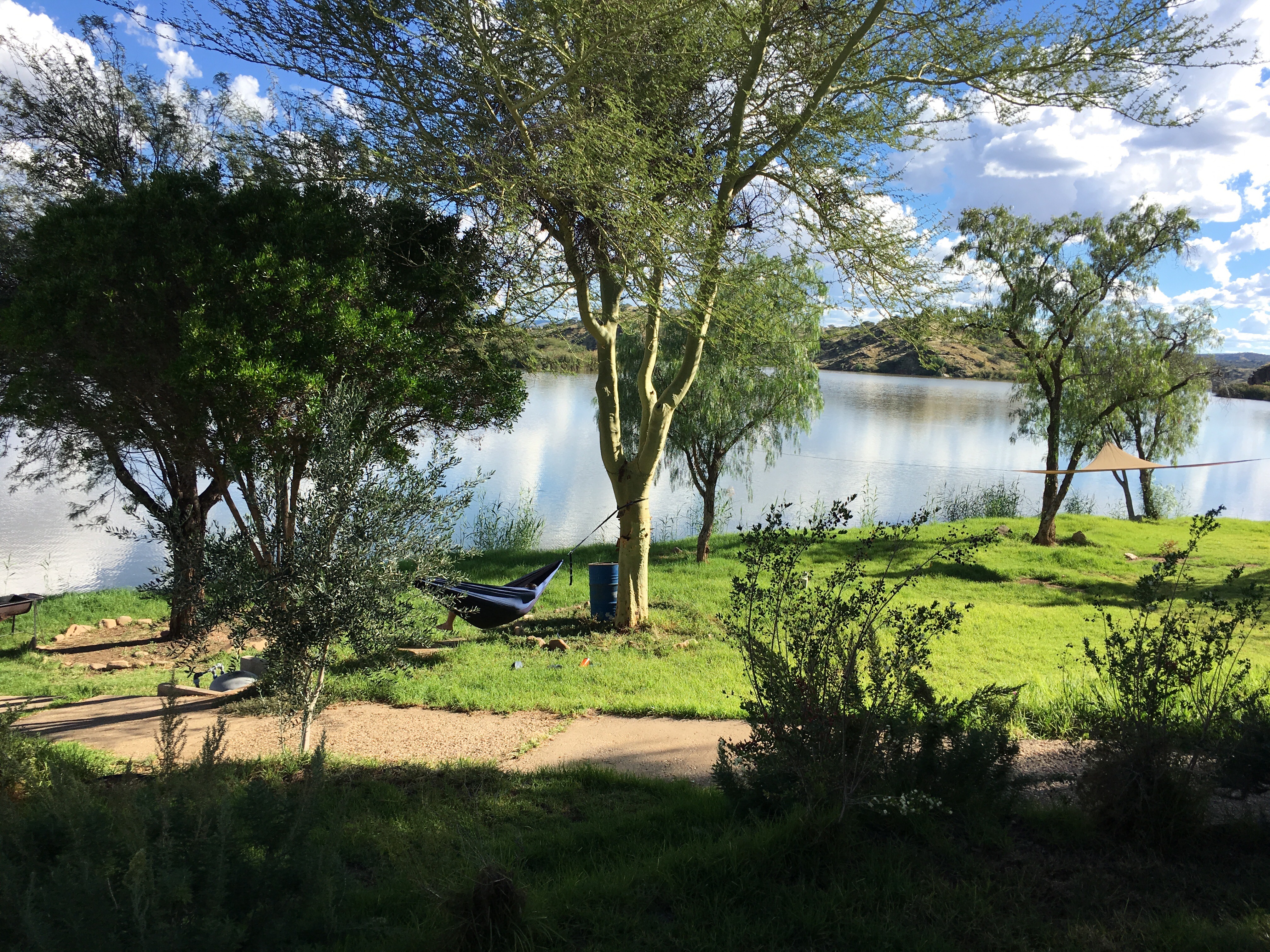
The view from Gross Barmen


This passed week may not have been the busiest week I’ve had in Namibia so far, but it certainly was the fullest. Let’s see…

We kicked off the week hosting a 4-day Small Business Workshop that was so well attended that we literally had standing room only. I was expecting 20, maybe 30 people showing up, to my surprise we had well over 50! And people kept coming!

Better still, the folks we hosted found the information we presented useful according to the feedback we got.

I have to say that though the Peace Corps group I’m in is small by group standards ( there are usually 30 or more volunteers per group, there are only 14 in our group) my teammates are exceptional people! The Peace Corps did an excellent job picking these folks and I count myself extremely lucky to be among them. The presentations I’ve seen and was part of would have been well received anywhere in the world.

The workshop sessions were in the mornings from Monday through Thursday. Our afternoons were fill with language studies and other cultural information sessions. Friday, however, was different. That was the day we ( the trainees) learned our duty assignments.

As you might imagine, the days leading up to Friday was so full of anticipation that it was hard to focus on the job or study at hand, and our trainers seem to enjoy stoking our emotions. The morning sessions on Friday covered the site selection process, which is pretty involved. I knew the Peace Corps provided our housing at our assignment sites, but I didn’t know how much went into it.

When you think about the places that Peace Corps Volunteers (PCVs) wind up images of mud huts, thatched roofs and dirt floors may come to mind, and there certainly are some of that, but each location is check 5 ways to Sunday for safety, access to clean water and so on. So, a PCV could be living in the aforementioned hut while another PVC in the same country might have more modern accommodations complete with indoor plumbing, electricity and even WiFi!

Every one of the 14 in our group would care less whether we wound up in huts. We are here to help and the best way to understand what is needed is to become part of our environment. That means we must live as the people we are here to serve live. So, for example, if we need to train local women whose families have historically lived off of raising cattle in the nuisances of business management it is better received if we do so by going to where they live, living as they do, understanding their lives in intricate detail before we teach anything.

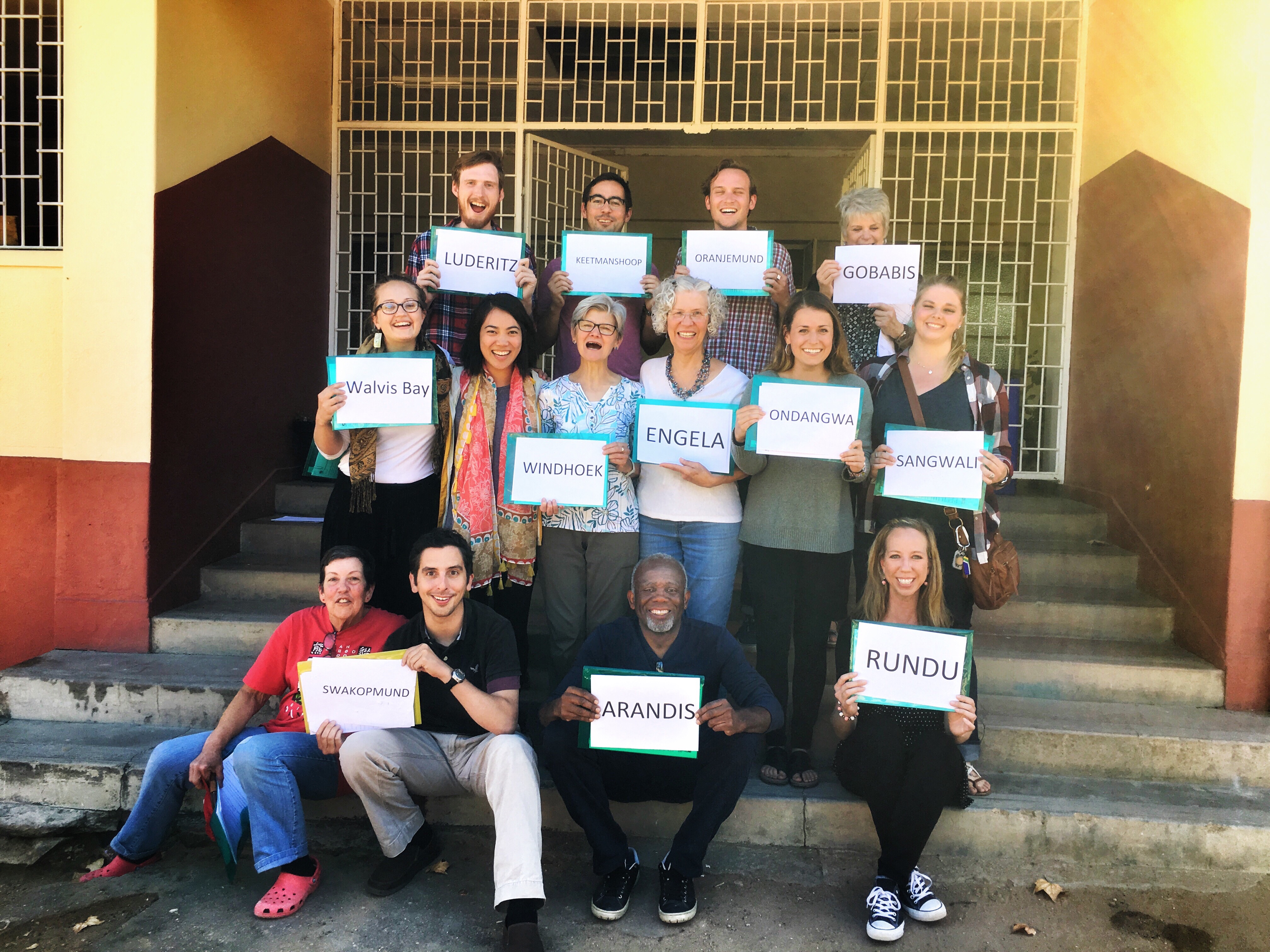
Back to Assignment Friday. There apparently is a tradition, at least in Peace Corps Namibia, where there is a small ceremony when assignments are revealed and that tradition was carried forward on Friday. The trainees are all blindfolded and stood before a large outline of Namibia. Placards with the names of our assignment sites are placed in the approximate geographical locations within the outline. Then the trainees are all led to their assigned placards and handed an envelope. Blindfolds are removed and everyone learns where they will spend their 2 years of service all at once.

We got our assignments!!!!


It was a lot of fun, and everyone was happy with his or her assignment. I would up Arandis, a small town near the west coast of Namibia built by an Australian mining company in the late 70s to house the uranium miners and their families. I don’t know the details of my job yet, but I do know I’m replacing a PCV who is transitioning out.

In one of the sessions leading up to our assignment ceremony it was stressed that regardless of our assignment description it is actually up to each PCV to define his or her job for the next 2 years, and we are encouraged to take on secondary assignments, especially in areas that may need addressing, but may not be currently getting enough attention. AIDS/HIV awareness is one. Though great strides have been made in controlling the AIDS/HIV epidemic in Southern Africa the disease is still present and spreading. Education is a key tool in reducing the spread of the disease and that is one area the Peace Corps has historically helped.

So, whatever my primary duties are, I will likely take on other projects while in Arandis. I will, of course, write more about this later.

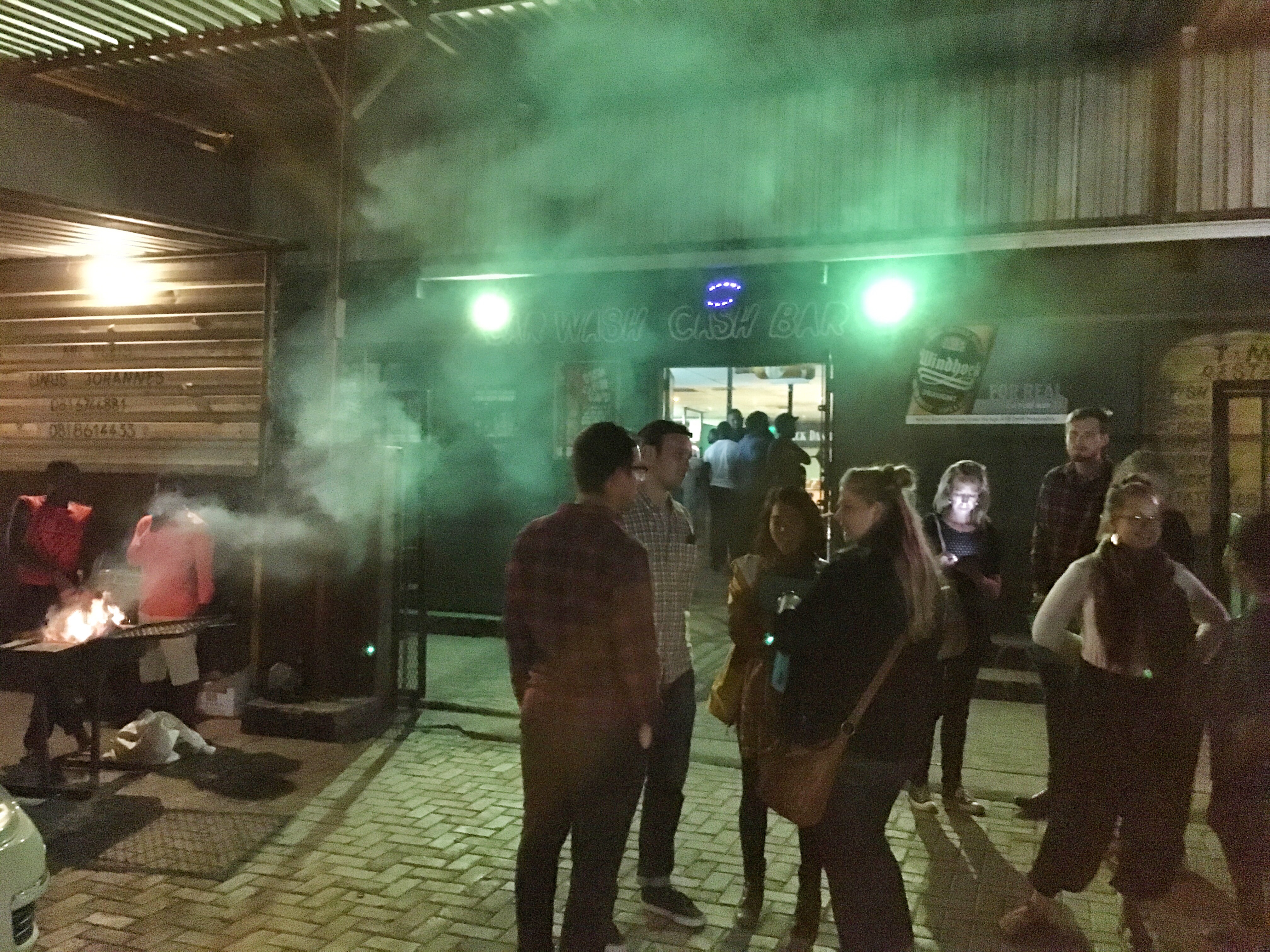
After our assignments were revealed our trainers turned us loose early to allow for some much needed celebration. Many of us wound up at a local sabeen (bar) and had a few beers while chatting about our assignments. It was an exceptional day and evening, and one of the best I’ve had since coming to Namibia.

Celebrating!


Today (Saturday) our trainers sponsored a “team building” event at a local spa called Gross Barman. It’s a hot springs made into a resort with cookout spots, pool and other amenities.

We had a blast!

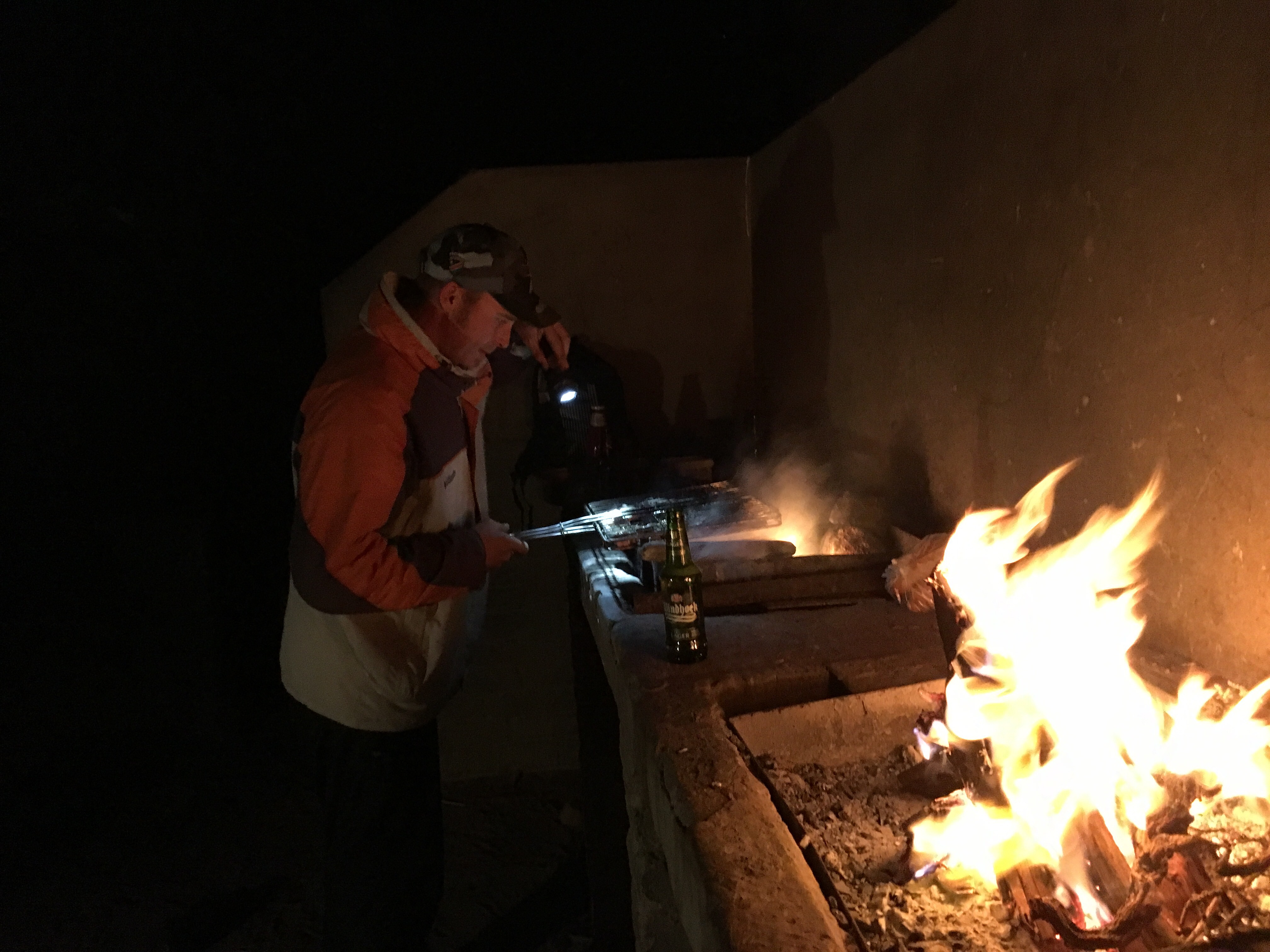
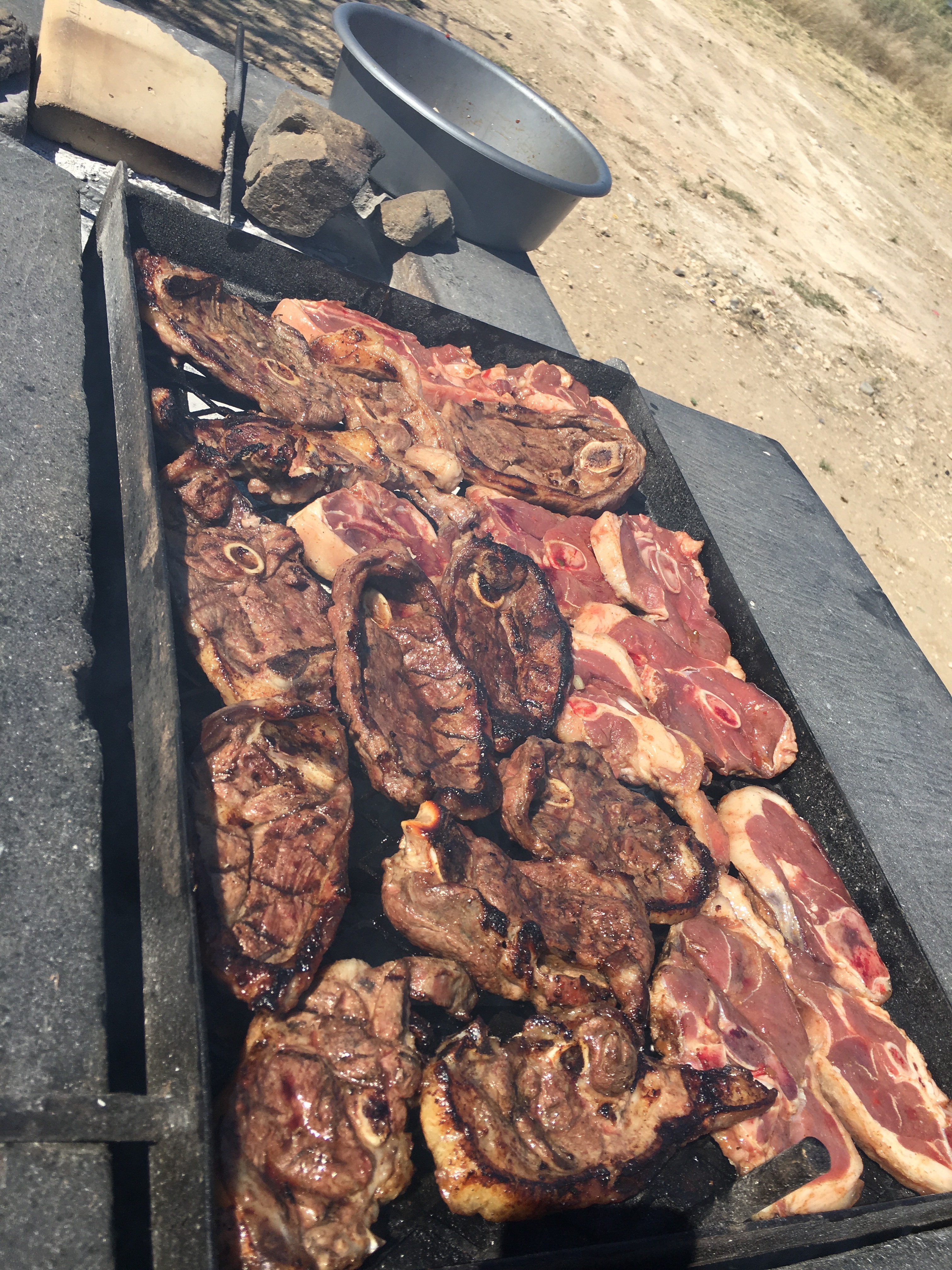
Steaks, chicken, sausage, kabobs and more. We ate and played until we were full of it all. What a great way to end a great week.

MEAT!!!!


Ok, getting tired and need to sleep. This really is an adventure.

Stay tuned.

Vern

Namibia: Speaking In Tongues

DISCLAIMER

“The content of this website is mine alone and does not necessarily reflect the views of the U.S. Government, the Peace Corps, or the Namibian Government”

We are halfway there!!

Last Friday (5/12/17) was about the midway point through our training period and it is when the Peace Corps performs interviews to see where the trainees are in their acclamation into the local environment, to assess the trainees’ proficiency in language skills, and to give feedback on areas where the trainers feel the trainees needs to improve upon.

Our trainers not only teach, but watch us for signs of emotional stress or other problems typical of being dropped into a completely different environment.

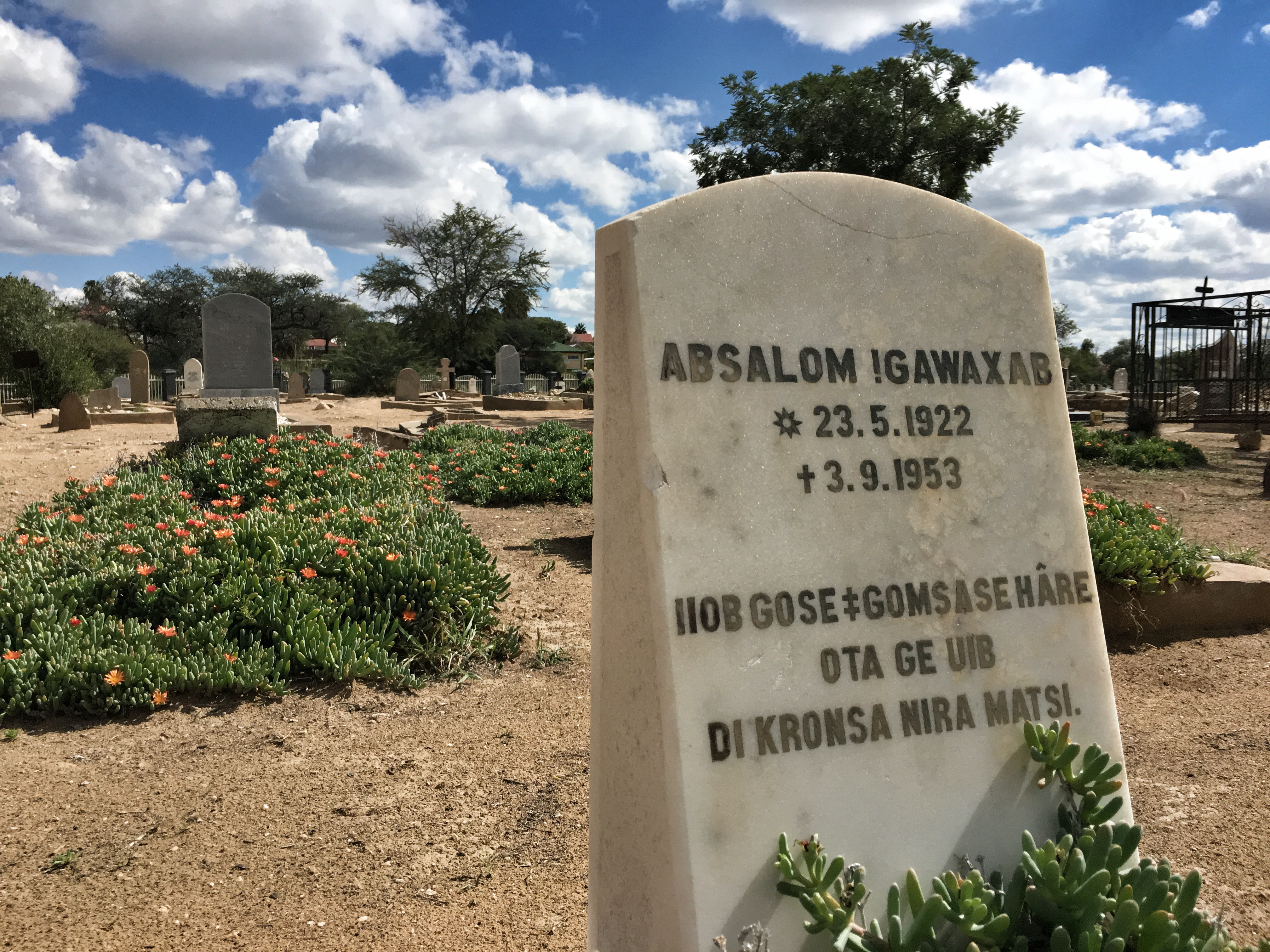
Site of the Old Home Uprising, an event that led to the fight to end apartheid in Namibia


On the first point I was told that I’m acclimating well, no issues were observed and that they are looking forward to my full integration into the Peace Corps. (In case you are wondering, I am NOT an official Peace Corps Volunteer (PCV) yet, I’m a Volunteer Trainee. I must successfully complete the 9 week training course that I’m 5 weeks into and be deemed proficient on a long list of skills and knowledge before I’m actually sworn in. If all goes well I should become a card carrying PCV in early June of this year.)

As for areas where I need improvement, my trainers found none. A relief given that I personally feel there are MANY areas I could improve upon. One of which is my language skills, or rather, my lack of them.

I’ve been told that I’m too hard on myself for not picking up Afrikaans in the three weeks we’ve been exposed and tutored in it. That may be true, but it’s also true that I could be, and should be further along than I am. I think I know why.

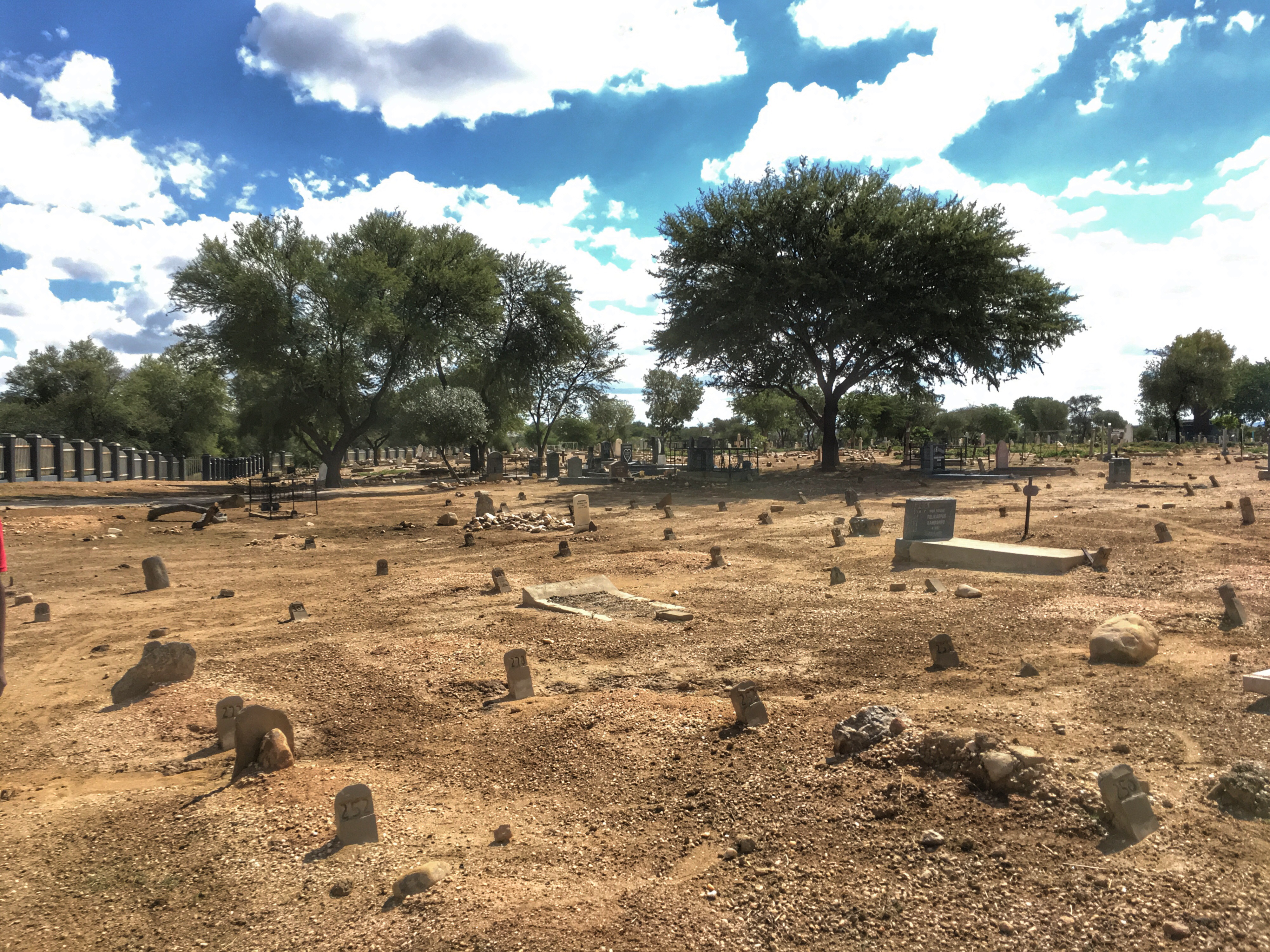
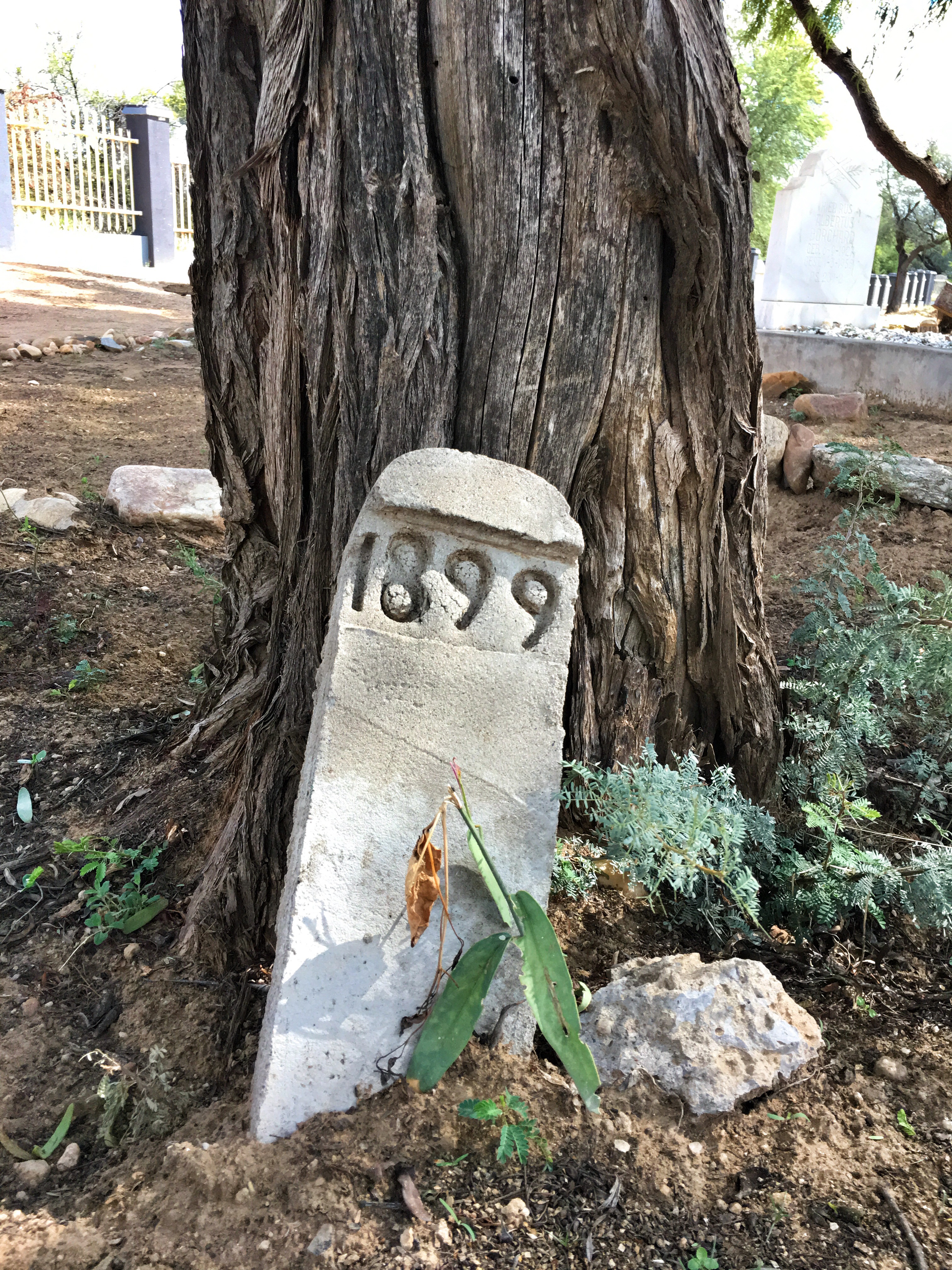
One of the many graves at the Old Home Site


When I was younger many things came easy to me. If I needed to know something I could read about it, mess around with it to understand basic principles and concepts and I’d be good. Language, however, was always foreign to me (pun intended). I haven’t been in a learning environment in many years so the combination of my belief that I could just “pick it up” and my long forgotten study habits yielded a less that desired proficiency in my ability to speak Afrikaans.

In short, I was lazy and so my Afrikaans sucks.

Luckily I have time to ‘unsuckify’ my Afrikaans skills and that’s what I intend to do. For the next 4 weeks I will live, breathe, eat, sleep and perform other bodily functions in Afrikaans!

Just so you know, on my midterm Afrikaans test (which wasn’t an official test, but merely an assessment for suggestions on where I needed to improve) I was given a ‘Novice Intermediate ‘ level, which isn’t bad at all and about where I figured I’d land. It means that I am about where my trainers expect me to be at this point. I could have done better had I been better prepared by studying more. I will be much better prepared next time.


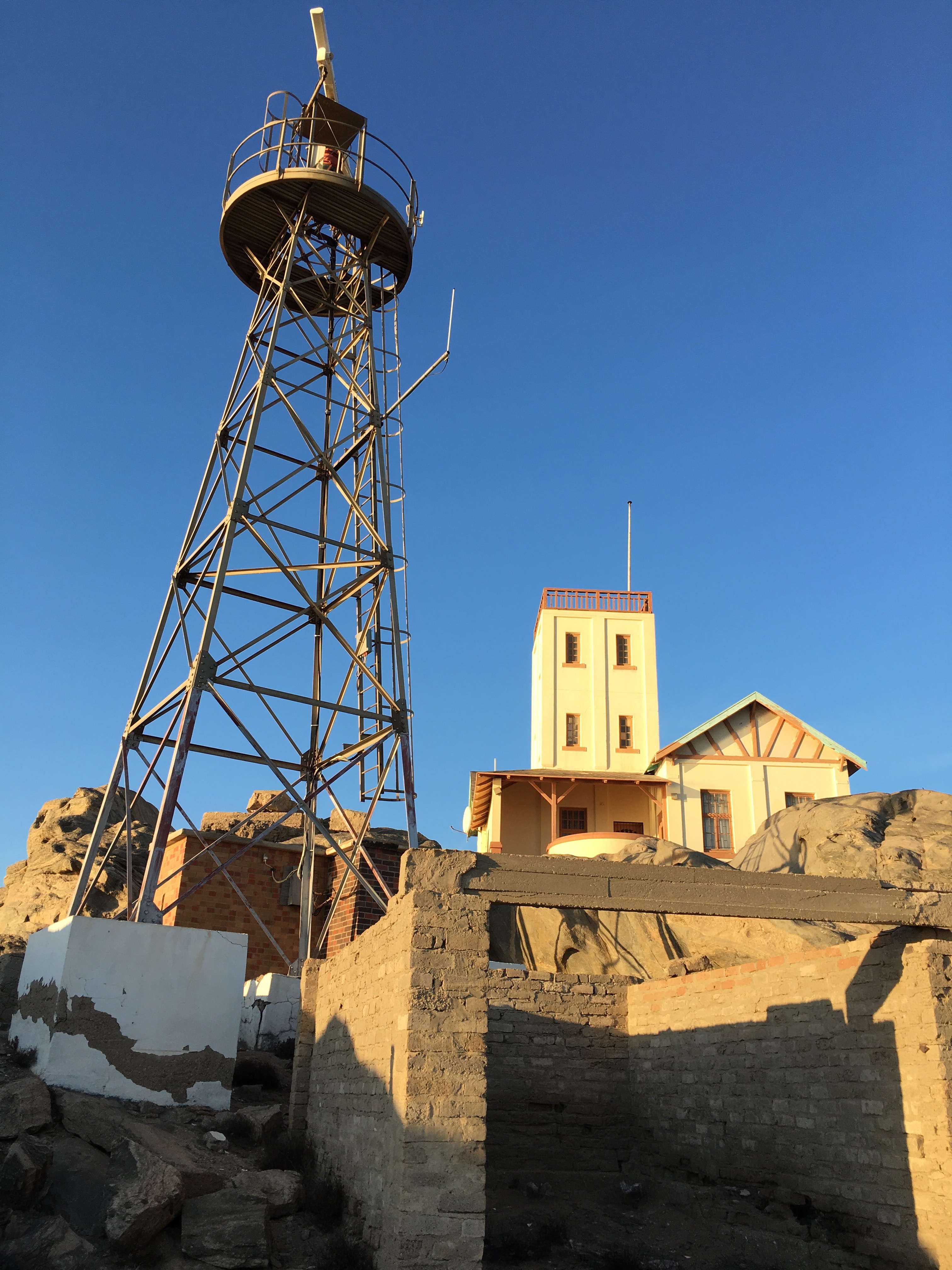
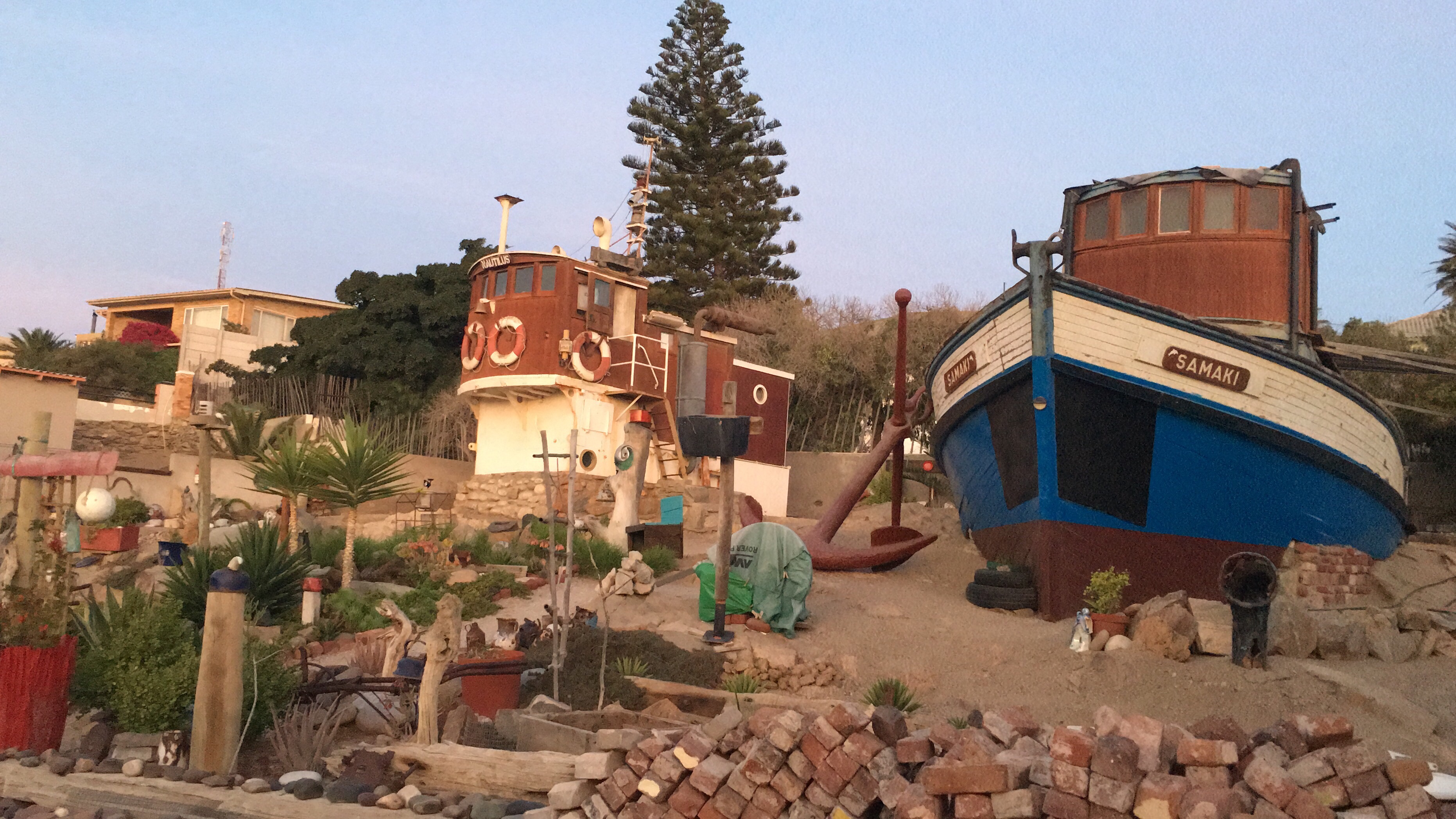
I may have mentioned this in a previous post, but next week we will host a Small Business Workshop, which should be fun, but I am very much looking forward to the week after where I’ll venture to Luderitz in southern Namibia. Ocean, wind, stark history, breathtaking beauty… it’s all there and more. I’ll be shadowing Travis, a PCV whom I met earlier during one of our training sessions and appears to be a great guy to hang out with and learn from. I hope to take a boatload of photos there.

One final thought before I end this post: To all of you who are mothers, I wish you a very happy Mother’s Day.

Stay tuned,

Vern

Namibia: Major Trials and Minor Tribulations

Under African Skies


DISCLAIMER
“The content of this website is mine alone and does not necessarily reflect the views of the U.S. Government, the Peace Corps, or the Namibian Government”

We are entering week 4 of our 9 weeks of training and the two biggest items on our schedule is the Small Business Workshop that’s scheduled for most of next week, and the language test that’s this coming Friday.

We, the trainees, will be hosting the workshop. The presentation we gave to our trainers on various aspects of small business management last week was a dress rehearsal for the workshop, which is open to any small business owner or potential owners. I cohost a talk on business management. Each session is about 1.5 hours long and it can be quite informative.

The training and discussions we had leading up to the preparation for the workshop was much needed because it gave us insight into how tradition and culture affects how Namibians think in terms of business, which is very different than the way Americans do. We take pride in punctuality and credentials while Namibians are more focused on relationships and ability. Timeliness is far less important here especially in social settings where business dealings are often discussed.

Beyond that, Namibian small business owners make the same mistakes or lack the same knowledge that their counterparts in the U.S. might, but with an emphasis on money and time management.

Money management, or rather the lack of it has roots in cultural differences. Here it’s natural, and even expected in some instances, to share. If someone dies, for instance, it affects the whole village and everyone is expected to pitch in to help with the burial and ceremonies. Even if you are no longer living in the village, but you have relatives still there then you’ll need to contribute. These and other incidental financial stresses can and have cause small businesses to fail. It may seem obvious that a budget would help, and it might, but setting one up requires a full understanding of all financial burdens, which are often overlooked because they so integrated into the culture.

I am not the best person to be talking about money management so I’m glad I’m not hosting that particular session.

Time management is yet another culturally rooted issue. Many Namibians have recent histories in a subsistence agricultural environment, a way of living that does not adhere to tight schedules. Seasons change, weather changes and the pace of life ebbs and flows to a slower, more natural rhythm. Business, at least how we in the West sees business, moves at a much faster pace. Schedules are created and become the cadence by which business is conducted. It’s a concept that, while not foreign to Namibians, can be hard to adjust to.

These are just two of the many subtle, but significant challenges we face when dealing with culture in a business environment. What makes it easier is that Namibians, at least the ones I’ve met, are eager to learn, open to help, quick to adjust, and want their endeavors to succeed.

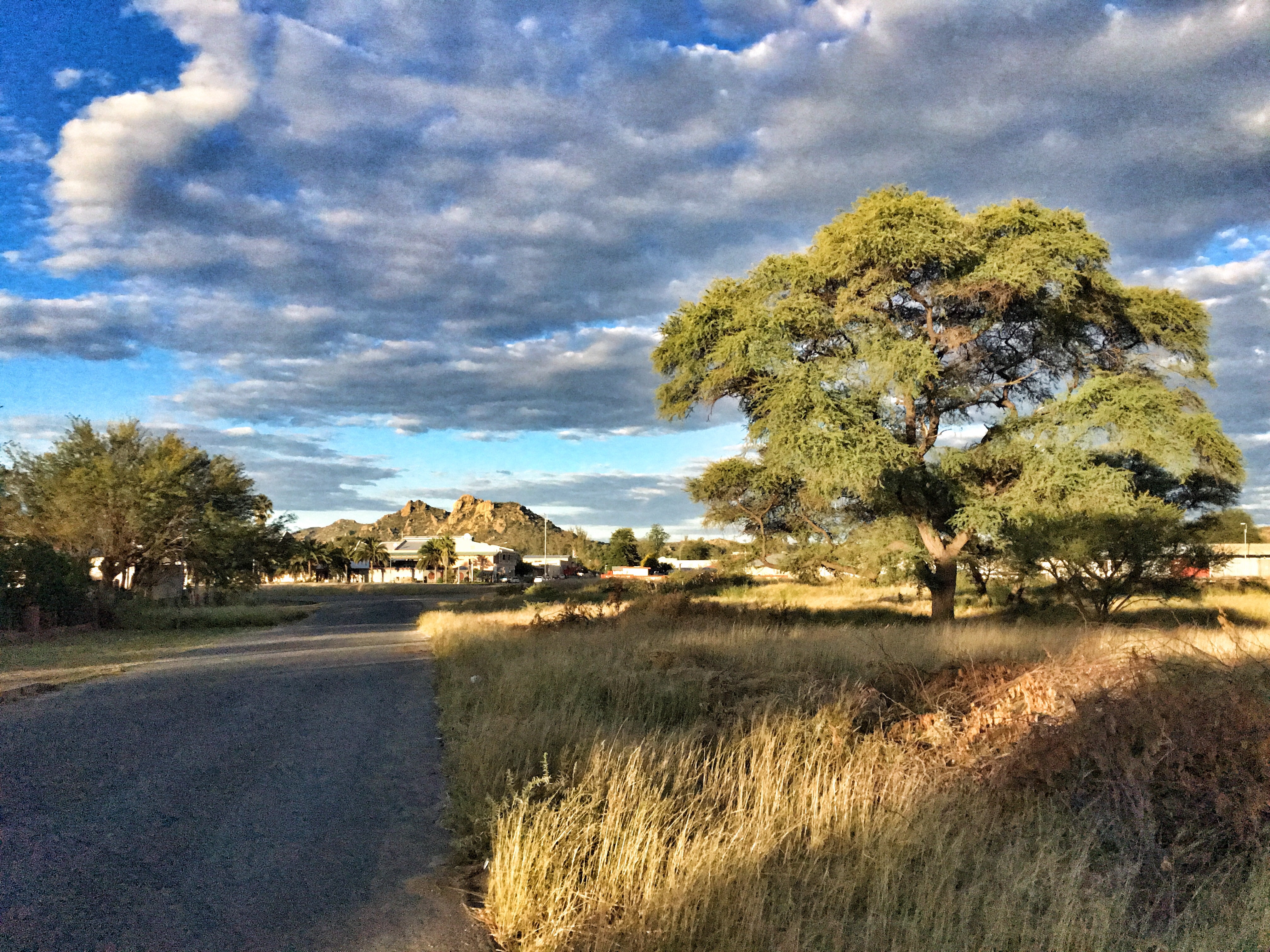
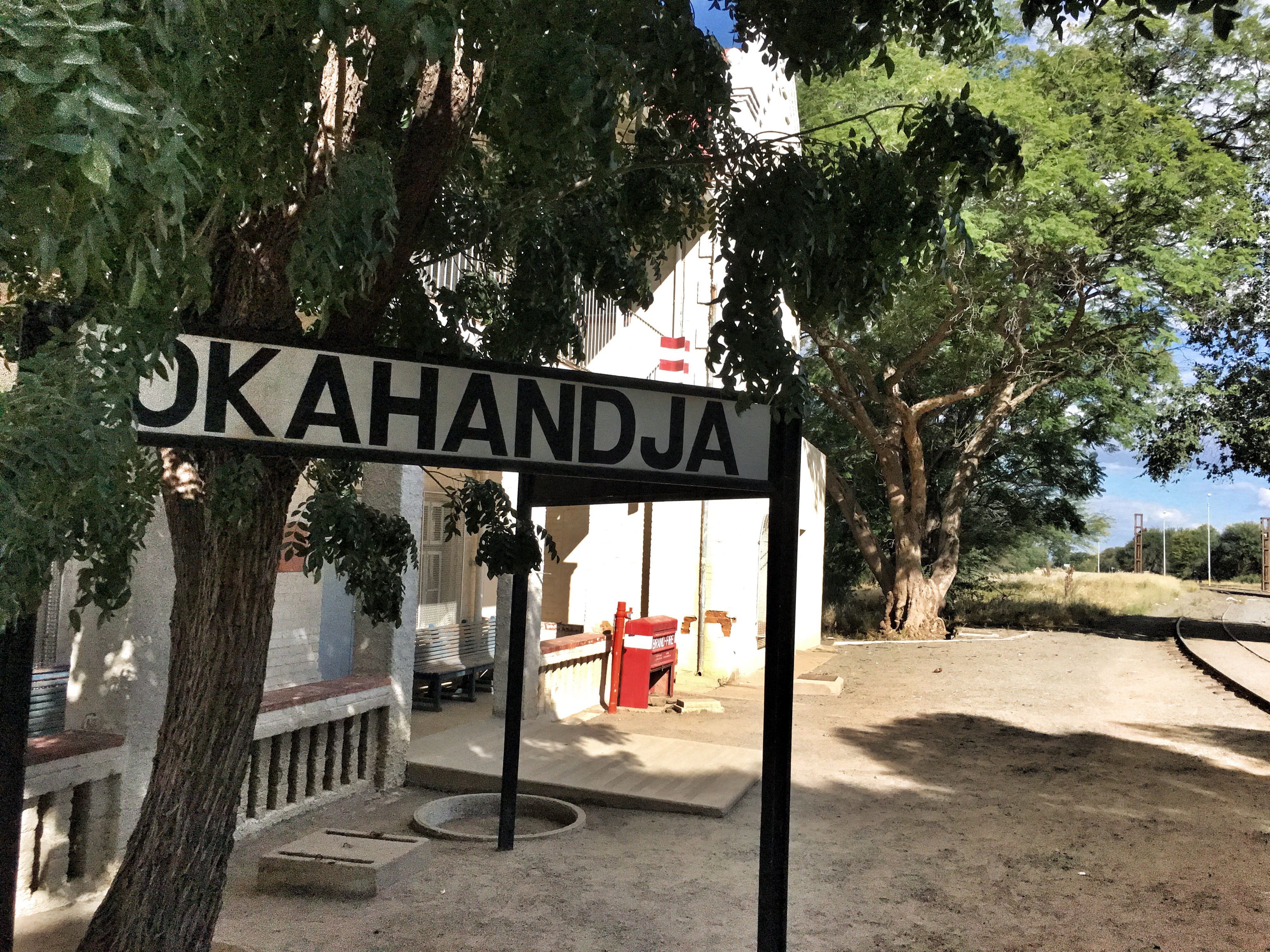
Okahandja’s defunct train station


The lubricant that is supposed to ease our integration into local society are the skills we learn at speaking one of the local languages. While English is the official language and most Namibians can speak it, in social settings one of the many native tongues are used. The most common and most cross cultural besides English is Afrikaans, and that’s what I’m learning. Namibians, like most people in whatever country I’ve had the pleasure of visiting, appreciate an effort in speaking their language. It shows respect and a sincere effort to understand them. That respect can translate into real relationships, and through those relationships one can better understand and address what’s needed. It’s really why we’re here.

As long as the testers aren’t too picky about grammar and pronunciation I think I’ll be ok. I’ll confess to a wee bit of pride, it’s been two weeks a few hours a day for language classes and I can greet and hold a conversation as long as the other person is patient and doesn’t speak too fast. By the time I graduate in five weeks I should have a firm handle on Afrikaans. I’m glad too, I’ve been told that volunteers who are unable to acquire at least a basic understanding of the language they’ve been assigned may be sent home. I’ve also been told that it’s highly unlikely that anyone will get sent home because of poor language skills. Even so, I want to do well.

On a completely different note; I’ve been wearing the same clothes for about 6 weeks now. So, Sunday I bought two shirts. A collard shirt and stylish v-neck tee. I don’t intend to have a large wardrobe ever again, but man should not wear the same shirt more that 3 times before washing it. These additions give my clothes washing schedule some much needed breathing room. Now, if I can just find a decent pair of Levi’s!

And I’m losing weight. I haven’t weighed myself, but my clothes are all baggy. I don’t count this as a problem because I was feeling a bit doughy before I left. That dough is leaving. What I need to do is come up with an exercise routine that doesn’t require covering long distances or the use of weights since I can’t walk when I want to and hand weights are impractical at the moment.

I’ll work on that.

Now that my clothes are ill-fitting I may need to do more clothes shopping, just not here in Okhandja where the choices are not the best. It is a small town and I’m surprised to find what variety I did, but it’s better in Windhoek which is about 40 minutes away. I’ll work on that too.

One last thought: I’m asked a lot about where I’ll go after graduation and what I’ll be doing. As of now I have no idea. I hear rumors that I could go south towards South Africa ( wine country!!) or west towards the Atlantic (beach time!!!) because of my Afrikaans training. There’s even a chance I’ll stay in Windhoek. But I currently don’t know where I’ll ultimately land.

As to what I’ll be doing exactly, I still don’t know. In two weeks I will know, because that’s when shadowing starts. It’s where I follow around the PCV I may be replacing. So, when I know, you’ll know.

That’s it for now. More to come so…

Stay Tuned

Vern

Namibia: It’s all part of the Adventure

DISCLAIMER
“The content of this website is mine alone and does not necessarily reflect the views of the U.S. Government, the Peace Corps, or the Namibian Government”

Yesterday the dogs that my hosts family owns ate my jeans.

I wasn’t in them at the time.

To be clear, they chewed a hole about the size of saucer and several smaller holes into my favorite pair of jeans which where hanging outside to dry.

It wasn’t a vicious act, the alpha male actually likes me and I believe he was welcoming me into the family. Dogs don’t speak Afrikaans and can barely manage a hand (paw) shake, but they can chew. So I take it as a small kindness that the pups decided to gnaw while my jeans were on the clothesline and not on my person.

It’s all part of the adventure.

One that same day the bulb in the ceiling light of my room literally exploded when I flipped the light switch on. The lamp is enclosed so no glass shards on my bed to deal with. Another small kindness.

On Saturday I ate goat, chicken, fish, some Mopane worms, sausage, and more in a cultural exchange cookout. It was a lot of fun for the people attending, not for the goat and chickens which were killed, dressed (as in to prepare to cook not as in to wear a tux), seasoned and rendered tasty by several local cooks following traditional recipes. There were side dishes of local collard-like greens, boiled seed that tasted very much like boiled peanuts, and many other foods from Afrikaans, Oshiwambo, and other households. I ate until I couldn’t anymore. ( Yes, I did eat Mopane worms. They’re kind of chewy and have a somewhat nutty flavor.)

What I DIDN’T eat, but are everywhere are large bugs called Armored Crickets or Armored Katydids. These dark red to brown, slow moving insects are about the size of a large walnut with spindly legs and thick, spiked exoskeleton. They eat pretty much any protein they come across including dead Armored Crickets.

IMG_5255

Armored Cricket

These bugs are not to be trifled with. When attacked they will squirt a stream of toxic blood at you, or throw up. A weird defense tactic. I supposed upchucking will gross out the attacker, giving it second thoughts about eating the Armored Cricket, as if the spiked shell, blood squirting and a nasty set of mandibles aren’t enough.

Did I mention that they are everywhere?

There’s so much to tell you about and so little time to do it. I’ve already been in-country 3 weeks and I still have so much the learn. Things should slow down in 6 or so weeks.

Stay tuned.

Vern

Namibia: Quick Update

__________________
DISCLAIMER
The content of this website is mine alone and does not necessarily reflect the views of the U.S. Government, the Peace Corps, or the Namibian Government.

Hi all,

As I said, things here would get busy fast, and they did. This week our trainers had us meet local small business owners with whom we paired up with and now must use our “skills” to help them grow their business. It’s an exercise that is geared to train us in interacting with local business owners rather than to actually move a business along, but if that happens then it’s a gain for all involved.

We also had our eyes opened to Namibian political and social history and it wasn’t pretty. I don’t have time to go into it now, but to get an idea of where Namibia is today think about what America was like in the years immediately following the Revolutionary War and you may get a narrow view of what life is like here. This is a country full of raw natural beauty, people with centuries old traditions and whose eyes are focused on the future. I feel humbled and honored to be here and to offer whatever help I can to move them towards a brighter tomorrow.

But first I need to get trained in so much that I wonder if my old brain can hold it all. I am determined to try.

One way to help is to learn a language, and the language that was picked for me is Afrikaans, a German derivative with its own uniqueness. A large portion of the population speaks it, especially in the larger cities and towns, so it stands to reason that I will ultimately wind up in a larger town or city. This is my second week of classes and I feel somewhat comfortable with greetings, but that’s about it. We’ll get tested in a few weeks so that is what I’m studying for. So, practice, practice, …

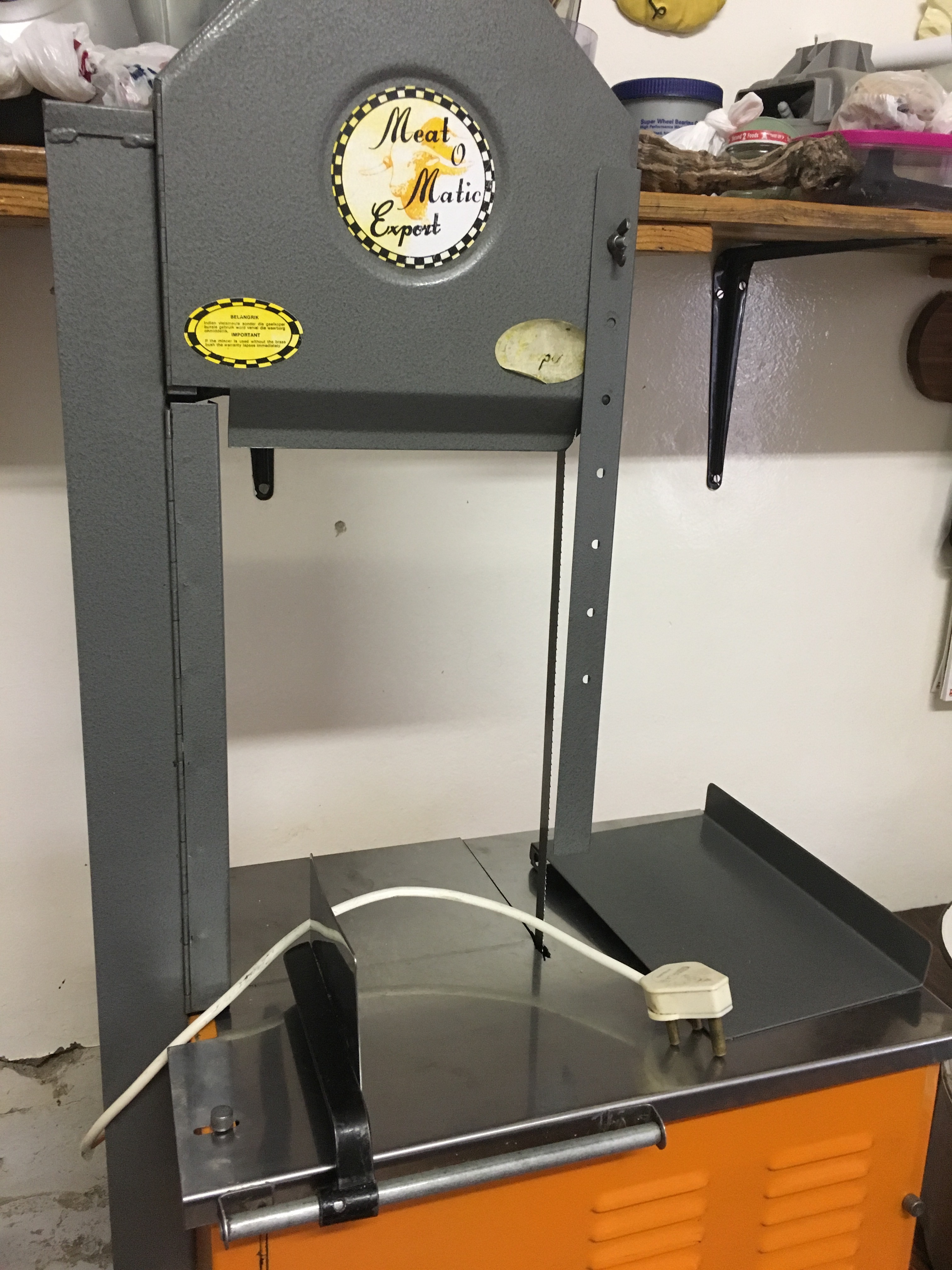
I’m also in my second week with my host family. They are Nick and Kittie Mass and they are very nice people. They are also butchers. The day after I arrived I came home to a pile of meat in the kitchen. That pile happened to be the rough cut remains of a cow. Inside of 5 days they Mass’ , using a meat ban saw and other devices that would be at home in movies like Halloween of the Texas Chainsaw Massacre, reduced nearly a thousand pounds of beef to steaks, sausage and other cuts of beef and beef byproducts. Nothing was wasted. They even make a Namibian version of beef jerky and SlimJIm. Tasty!!!

The saw I saw…


As you may imagine, I’ve got a lot to deal with here. I’ve got some work to do so I need to stop here. I’ll try to update more often even if it’s just a few paragraphs.

Stay tuned.

Vern

Namibia: Training Begins

On the Trans-Kalahari Corridor


If I said that my life has been turned upside down I would be making a gross metaphoric understatement. But I’d say it as a good thing.

As of today (Wednesday, April 19) I have been essentially living out of two duffel bags since the last week of March, I’m essentially homeless, but man-o-man, what a ride so far. Let me recap.

The last time I updated this blog it was Saturday, April 15. If Saturday was a down day, then Sunday marked the true beginning of our in country Peace Corps training.

After lounging about earlier in the morning and enjoying a final breakfast at Penduka Compound, we loaded our bags onto a truck and climbed into buses for our hour long trip to Kukuri Conference Center in Okahandja.

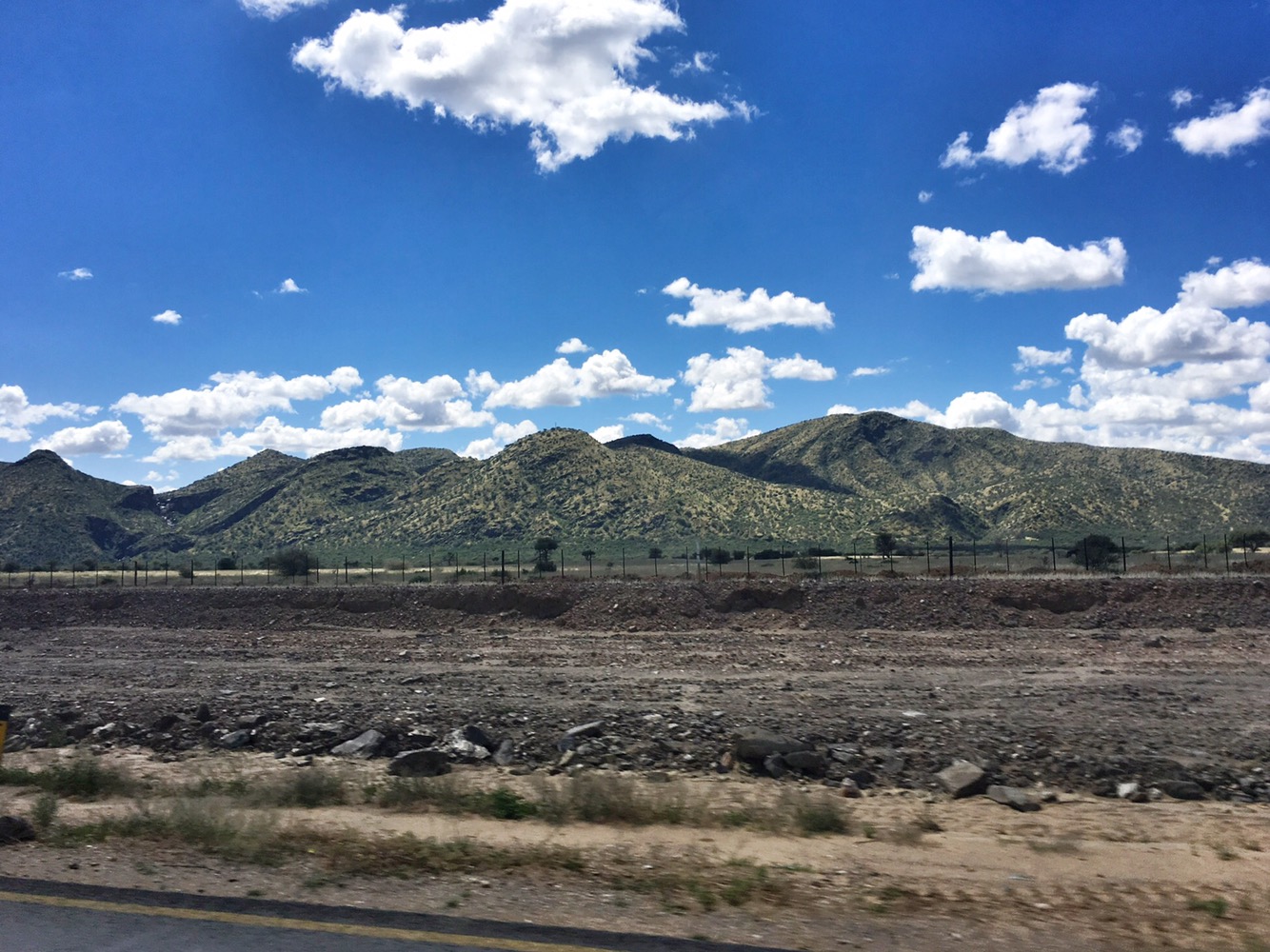
The scenery along the way was beautiful. We passed through some of the oldest geological formations on Earth. It’s hard to think of mountains as anything but ancient, but on a geological time scale peaks like the Alps and the Rockies are kids compared to the worn and weathered formations in the Central Plateau region. We were on the Trans-Kalahari Corridor, a highway that stretches from Botswana to the north vertically through the center of Namibia to Johannesburg, South Africa. It was a modern road being made wider, so our travel was smooth.

To my surprise, at least, we found our accommodations at the Andreas Kukuri Convention Center quite comfortable. Though each room could sleep four I had a room to myself. A good thing since I’m a restless sleeper, but it turned out to be not so good because the fan in the room clicked so loudly when running that I had to turn it off, leaving me at the mercy of tenacious mosquitoes. But this too is part of the adventure.

We rested and prepped for Monday.

The Kukuri Center we are allowed to leave the compound, but they recommend not going alone, and only to and from class. Wise in almost any new environment.

Our classes are held about 1/2 mile from the compound and they started throwing information at us at a blistering pace. It was tough for me because the hall we were in echoed badly and my hearing aids just couldn’t handle it. Turns out I wasn’t the only one suffering so they moved the training to a smaller room and I had no problem hearing. I still felt like I was drowning in info though, but at least I could hear it.

The Peace Corps does everything it can to make volunteers feel safe. They need to overdo it because most of their recruits are fresh out of college and may not be wise to the ways of the world. For an old guy who’s been around the block a few times the precautions seem excessive, but it’s best to warn loudly than to fix quietly. In that regard many of our classes had to do with safety: What not to do and what to do if you are in a fix. They also outlined the agenda for next 8 weeks. WE WILL BE BUSY! We have three major projects to complete all while learning a new language, moving in and adjusting to our host family environment and dealing with the mental baggage that comes with the prospects of being away from heart and home for the next 2+ years.

Man! I sure could use a glass of wine!!

To that point, there’s a small mall for shopping and a restaurant called Rhinos where PCVs (Peace Corps Volunteers) hangout. I’m told they sell good food, beer and wine. Unfortunately I may not get a chance to sample any of it because classes run from 7:30 to 4:30, often later, and we have mountains of homework with little to no fast access to the Internet! Life can be cruel!

Because I’ll be so busy and because I’ll only have my phone and a fairly costly data plan, updates to this blog will be done less frequently until I’m out of training 8 weeks from now. My updates also won’t so verbose. Words chews up data bits.

Please feel free, however, to ping me via WhatsApp or iMessage. My WhatsApp number is +1 (407) 405-3465, my iMessage number +264 (081) 475-1335. That last number is my Namibian mobile number. I don’t have to pay for incoming calls, but I’m at least 5 hours ahead of you, so I’ll take it as a kindness if you didn’t call me while I’m sleeping.

I’m writing this from a desk inside my host family’s home. Nice folks. Modest, but comfortable accommodations.

I gotta get to work.

Stay tuned

Vern

Namibia! Part Mbali (Two)

Idyllic view from Penduka Compound


It’s Saturday, April 15. I am sitting in the covered courtyard in the Penduka Compound a few kilometers outside of Windhoek, Namibia. The skies are blue with big cotton candy clouds, there’s a light breeze that takes the edge off the warmish sun, and there are white pelican cruising the nearby lake.

After traversing two hemispheres (horizontal and vertical) and sitting through several days of lectures, exhibitions and even more shots (1st Rabies, and meningitis), we (Peace Corps Volunteer Group #45) have finally got some downtime!
To say it’s been a busy week would be a gross understatement. We arrived Monday afternoon and after brief introductions our Peace Corps hosts fed us and put us to bed. We hit the ground running on Tuesday with meetings from 8 am to 4:30 pm where we were introduced to the local Peace Corps Staff and given our training schedule for the next 3 months. Wednesday and Thursday was more of the same. Friday was a bit slower. We got the first of 5 sets of shots and were interviewed for potential assignments.

Today, however, was much different.

The Penduka Compound was created for and run by physically and economically disadvantaged women. It provides a workplace and income through a variety of projects and programs. The Compound is at once, an inn by a lake complete with 4 rental cabins and 6 backpack cabins, workshops for producing textiles, glass bead jewelry and pottery, small scale poultry and hydroponic farm, and a small events venue. It’s a beautiful setting and in the evenings, after the meetings we got to enjoy fantastic sunsets and star filled night skies.

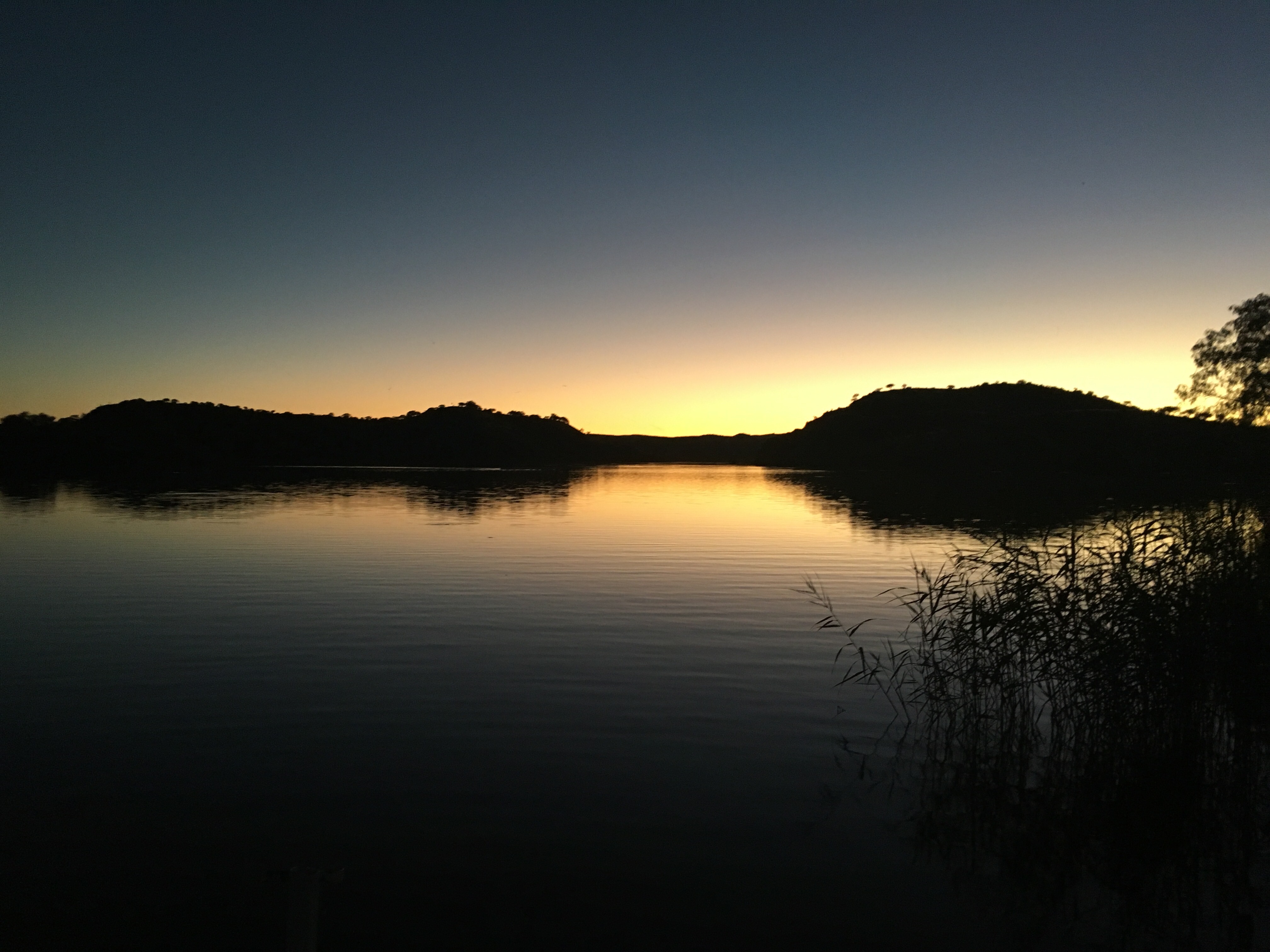
Sunset from Penduka Compound


The problem is that the Penduka Compound is kilometers away from Windhoek proper and is surrounded by wilderness and an unsavory area. So, our hosts have insisted that we stay in the compound. That changed today. We were loaded onto buses and taken on a tour of some of the impoverished areas, then to a mall that would be the envy any American location. It was an interesting experience.

The shantytown we drove through looked like what I’m sure many of you have seen in the movies and media. Densely packed dwelling made mostly of corrugated metal that seem to adhere to no urban planning ideology stretched for kilometers, yet there seemed to be a certain level of normalcy about it. There were vendors in open air markets and metal covered shops plying every conceivable trade, children played in dirt lots, and here and there were attempts at beautifying or shading a spot with trees. Poverty was definitely a problem, but it appeared that people were making do however they could. We didn’t stop to have a closer look, maybe no purpose would have been served by doing so, still, I would have liked to understand what I was seeing better. I may get that chance.

In the mall I was able to buy a SIM card for my iPhone, I now have access to the Internet at a decent speed. It’s not fast, but waaaay faster than what I’d been using up until now. I also bought some personal items in stores that don’t exist in the U.S. If all you saw was the mall you’d think Windhoek was a bustling European city. The mall was packed and money was being spent. Stores were museum neat, walkways were shiny as glass and there was plenty of anything you might want. A stark difference from the poverty we drove through. I suppose that our Peace Corps hosts were making a point.

Anyway, we’re back at the compound with new stuff and a lot to think about.

Stay Tuned.

Vern

Namibia!

First, and once again, allow me to apologize for the scarcity of my blog updates. My excuse is that the passed few weeks has been a whirlwind of events that has culminated with me sitting here at 8:00pm in Penduka Compound, somewhere near Windhoek, Namibia writing this update.

Getting here wasn’t easy.

I believe the last substantial post I made to this blog detailed my trip to see my daughter in Tucson. That was an eventful trip and completely enjoyable. My son drove in from Oceanside, CA and we celebrated my birthday just having a great time in each other’s company. Of course, club hopping in downtown Tucson helped a bit too. 🙂

My kids are wonderful and gave me a send-off I’ll not soon forget. Nothing illegal (that I’ll talk about), but fun.

I flew back to Orlando for all of one night, then jetted to Philadelphia, rented a wreck (Really! It’s called Rent-a-Wreck and the cars are old, but cheap to rent) and drove to Baltimore to see family and friends.

My sister put me up for 5 days. (Thanks sis!) From there I visiting family and friends, like the evening I spent with my long time friend, Marlene.

Marlene picked The Rusty Scupper, situated in Baltimore’s Inner Harbor, an area I used to live in when I was a teenager. I had drove pass the Inner Harbor on several of my visits home, but I never had a chance to really take a look at it, but I did notice that each time I visited there were distinct changes.

I got there early and while I waited for my friend to get through rush hour traffic I took the opportunity to check the harbor out. I immediately recognized the The Constellation, a corvette class schooner that’s been moored there since what seems like forever, and what used to be the Maryland National Bank Building hiding between two newer and somewhat taller structures, but that was it. Federal Hill wasn’t easily visible before, but now almost the whole park can be seen just pass the beach volley ball courts(!) and playgrounds right beside the harbor.

It took me a while to see that the modern brick building standing where the old McCormick spice factory was was actually an updated McCormick building, but now it’s called The Royal Sonesta. (They should have kept the McCormick name.) And it took me a while to locate the Domino Sugar sign that was always visible at night, but it was there just as big and red as always. The rest of the harbor is new and exciting. There was a Festival of Lights taking place, people everywhere, ON A CHILLY WEDNESDAY NIGHT! It is definitely a showplace.

Dinner was fantastic! Baked cod topped with crabmeat. MMMMmmm-Boy! And the company was amazing. Though I’ve known Marlene for over 20 years the woman does not age. We chatted like we haven’t seen each other for a few months instead of a few decades. Such a good time.

The next day was spent trying, ultimately without success, to hold on to my mobile number. I’ve had that number for years and didn’t want it recycled because I won’t be using it for two years. AT&T was NO help. They ran me in circles with one suggestion after another, none of which panned out. I talked to other mobile vendors and they gave me similar songs and dances. I finally settled on a company called Tossable Digits who offers a number ‘parking’ plan for $4 a month. Basically, they take your number and make it virtual, you then get their cheapest plan, which happens to cost $4 a month. As long as you pay your four bucks then your number stays in existence even if you never use it. So, I did that.

Special Note: Those of you who have my 3465 number please hold onto it. I’m getting an in-country number tomorrow and will advertise it here.

Speaking of numbers, I’m currently textable IF you have an iPhone (via iMessage) or have WhatsApp installed. My WhatsApp user name is VernGzr.

Thursday evening was spent with my sisters Zelda, Vicky, and Alethia. They treated me to a crab feast that brought to mind similar family feasts when I was a kid. Paper on the table, steamed corn on the cob, beer.

And steamed blue crabs! Few things taste better.

My family wasn’t done with me yet. My cousin, Stephanie, called aunts and cousins to gather for another send off.

I’m ashamed to admit that I hadn’t gone home since 2011. Doing so was always on my list of things I neended to do each year, but somehow it always slipped off. So, this was a mini family reunion, all focused on me. Sometimes you don’t realize how much you need your family until you are in their presence and you bask in the warmth of memories, acceptance and love. Just the hubbub of congenial conversations punctuated with laughter was enough to permanently etch a smile on my soul. It made me wonder how I could have stayed away for so long. Even my ever busy nephew, David, and his family made it. It was a fantastic evening.

My cousin, Stephanie, still wasn’t through with me and on Saturday she and my cousin, Michael, hung out, ate, chatted, and just enjoyed each other’s company.

Sunday I had to be back in Philadelphia, but before I left Baltimore I had to make one final stop, to see my nephew, Don. My eldest brother, Carl (who has passed on) was a huge positive influence in my life and Don is a spitting image of him. Don looks so much like Carl that it was a bit unsettling to talk to him. That I hadn’t seen Don in far too many years only added to the surrealism of my visit. His mannerisms are so similar to his father’s that I had to keep reminding myself who I was talking to.

I wish I could have spent more time with Don and uber-cute daughter, Noel, but I had to get to Philly in time for my first Peace Corps at 5 that evening.

Once in Philly the pace of my life seemed to speed up so fast it felt like Captain Picard had just directed the helm to take me to warp 6 and commanded, “Engage!”

I had a staging meeting all day Monday and Tuesday at 1:30am we boarded the bus that took me and my fellow volunteers to JFK airport in New York. We checked-in, then waited for our nearly 15 hour flight to Johannesburg , South Africa. I dreaded the flight because it was coach, but it wasn’t as bad as I’d anticipated.

We went through South African customs and then flew to Windhoek (pronounced ‘vin-hook’), Namibia. More customs, but on the far side of that were our Peace Corps greeters.

I’ll leave the story here for now and pick it up in my next post. I got meningitis and rabies shots and interviews in the morning.

Stay tuned,

Vern